
This guide contains affiliate links. If you book through them I may earn a small commission at no extra cost to you. I only recommend things I have used myself.
I’m always looking for ways to make trips smoother, safer and cheaper, and when you’re abroad a VPN (virtual private network) isn’t a nice-to-have, it’s essential. Here’s why I use one, why I chose Surfshark, and how it can even help you find cheaper flights.
Which VPN?
The “best” VPN depends on what you need it for: streaming, privacy, budget. A few consistently rank near the top:
- NordVPN: often rated the best overall, with extras like Threat Protection.
- ExpressVPN: very easy to use, with fast connections.
- Surfshark: great value, and unlimited devices on one plan.
Why Surfshark is my pick
- Unlimited devices: phone, laptop, tablet, the lot, on a single subscription. Brilliant for families and couples.
- Value: premium features at one of the lowest prices, especially on longer plans.
- Easy apps: simple to use on Windows, Mac, Android, iPhone, Linux, smart TVs and routers, even if you’ve never used a VPN before.
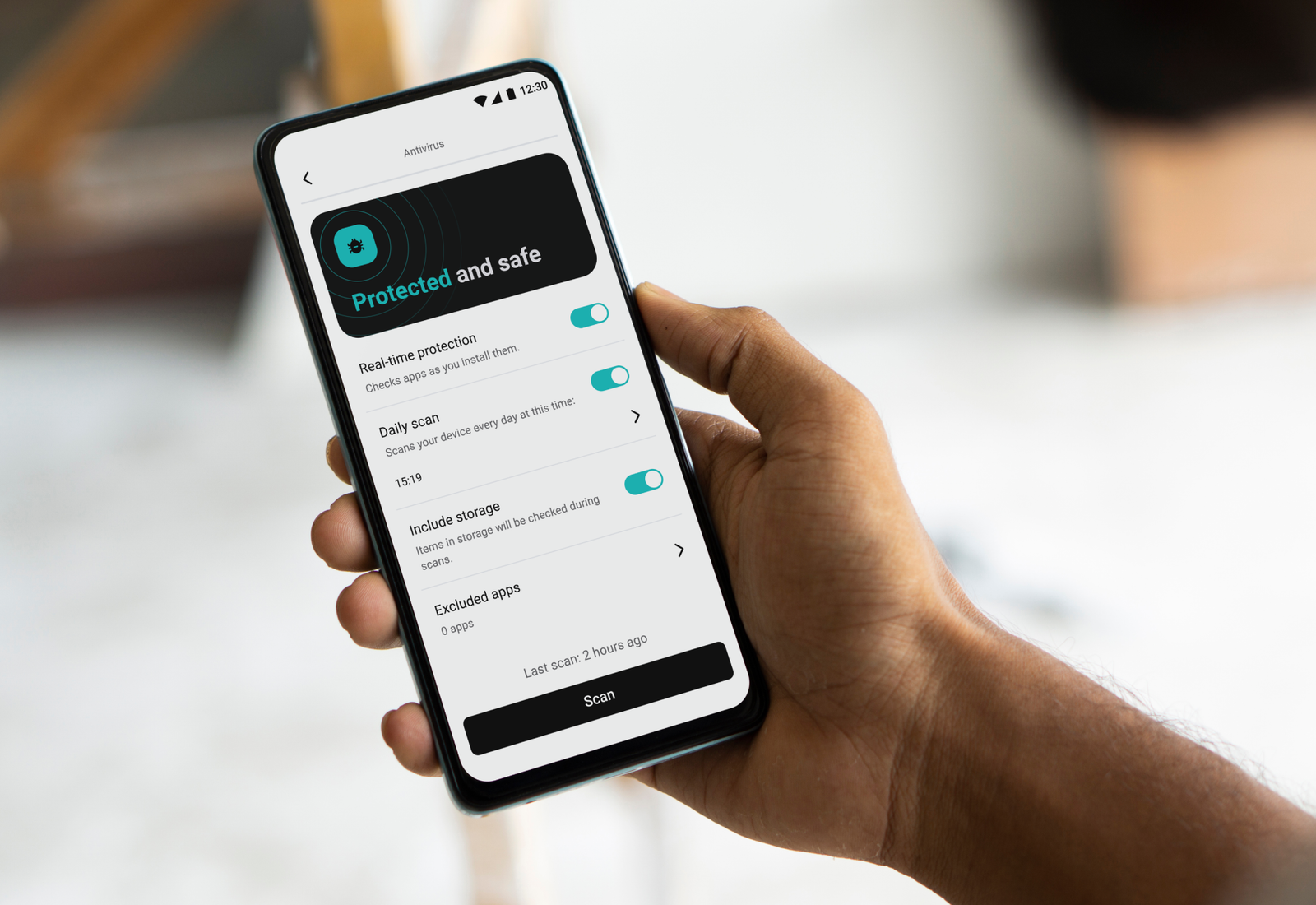
Protect every device on one plan
Public Wi-Fi without the worry
We all love free Wi-Fi in airports, cafés and hotels, but open networks can be a hacker’s playground. Many hotels don’t secure their networks properly, which leaves you open to fake hotspots, malware and “man-in-the-middle” attacks, and staff on the network may be able to see what you’re doing. A VPN encrypts all your traffic, so anyone snooping just sees gibberish. You can browse and check emails with much more peace of mind, though I’d still be extra careful with online banking.
Staying connected abroad
A VPN was a game-changer on a recent trip to Guangzhou. Some countries block social media, news sites and apps, and Surfshark’s NoBorders and Camouflage modes are designed to make VPN traffic look like ordinary internet use, so staying in touch with home and keeping up with the news is easier.
Check the local rules
VPN laws vary. In some countries, China included, only government-approved VPNs are allowed, and in a few, using one can get you into trouble. Check the rules for where you’re going before you rely on a VPN there.
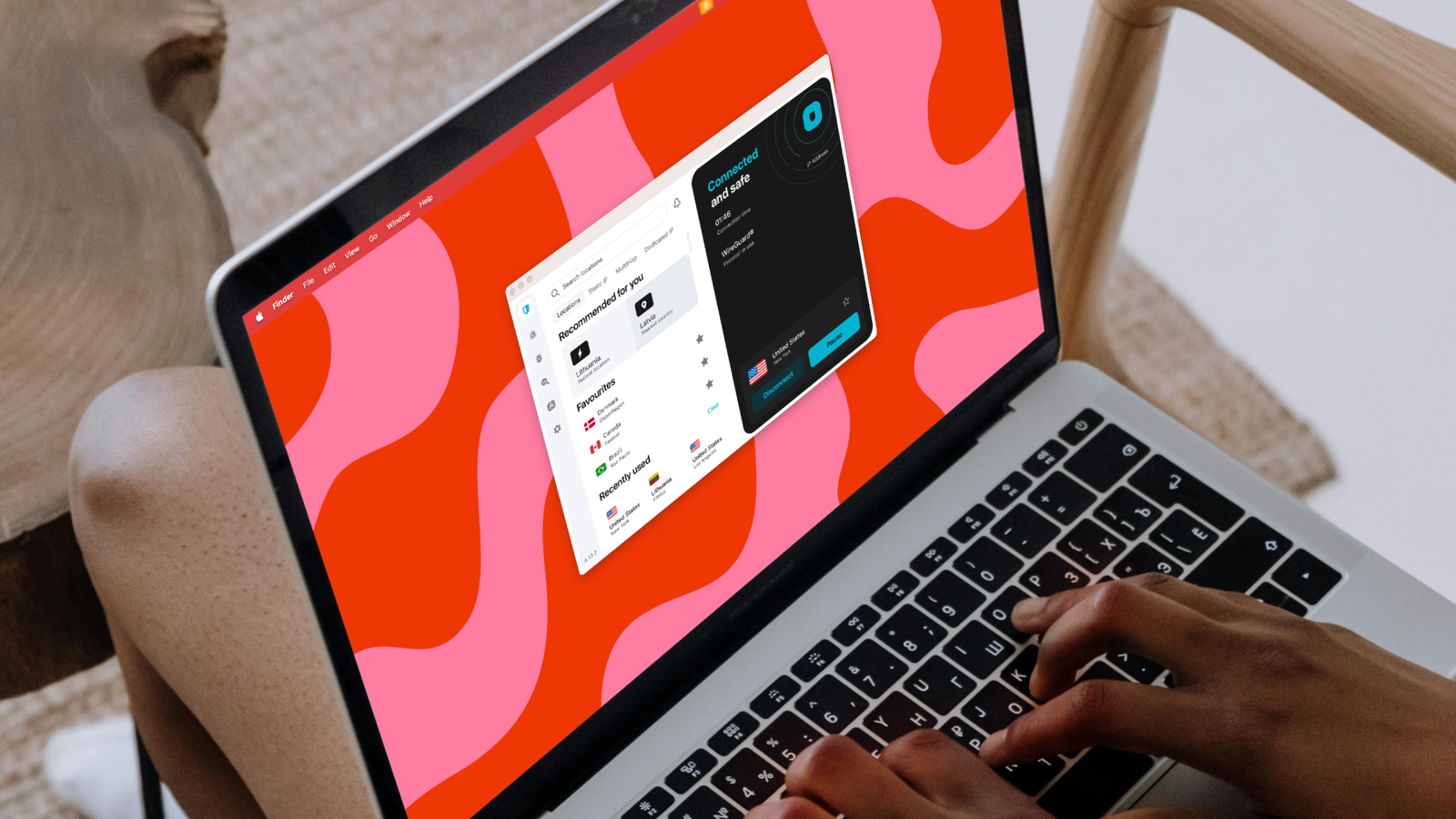
Using a VPN to compare flight prices
Here’s the fun part for budget travellers. Airfares are dynamic, and the price you see can depend on where the website thinks you are, based on your IP address. That’s why incognito mode alone rarely helps: it stops cookies, but it doesn’t hide your location. A VPN does.
01
Clear your tracks
Clear your browser’s cookies and cache so previous searches don’t influence the prices you’re shown.
02
Change your virtual location
Connect to a server in another country, or another city in the same country. Prices are sometimes lower when you appear to book from a lower-income country or from the airline’s home market.
03
Compare, switch, repeat
Search your usual sites, note the prices, then switch servers and search again. You may be surprised by the difference. Surfshark has servers in around 100 countries, so there’s plenty to play with.
Before you book
It doesn’t work every time. Some cheaper fares are only for residents, and paying in another currency can add card fees, so check the final price in pounds and the fare rules before you buy.
More ways to save on flights
- Be flexible with dates: midweek and off-peak flights are cheaper than weekends and holidays.
- Book ahead: two to three months out usually works; for peak season, five to six.
- Be flexible with where: search wider areas and nearby airports, which are often cheaper than big hubs.
- Consider connections: direct is convenient, but connecting flights, or mixing airlines, often costs less.
- Look at budget airlines: great base fares, but watch the extras.
- Use comparison sites and fare alerts: Skyscanner, Google Flights and Hopper will tell you when prices drop.
- Make the most of stopovers: some airlines offer free or cheap stopovers, a bonus mini-break.
- Collect points: join frequent flyer schemes and use rewards cards.
- Travel light: carry-on only avoids checked bag fees. Here’s how I pack light.
The downsides
- Renewal prices: the headline deals are for the first term. Check what the plan renews at before it rolls over.
- Speed: like any VPN, it’s slower when you connect to a server on the other side of the world. Pick the nearest one for everyday browsing.
- Some sites push back: banking apps and streaming services sometimes block VPN connections, so you may need to switch it off for a few minutes.
A VPN is a small investment that pays you back in peace of mind, freedom and savings. Before your next trip, do yourself a favour and get Surfshark.