This guide contains affiliate links. If you book through them I may earn a small commission at no extra cost to you. I only recommend things I have used myself.
Kuala Lumpur is more than a stopover, and it’s easy to underestimate. Southeast Asia is one of my favourite parts of the world, and I’ve passed through KL many times on the way to somewhere else in the region. In 2026 I finally gave it 15 days to dig a little deeper, and both the city and the country around it turned out to be surprisingly good.
You get a skyline to rival anywhere, food from three cultures on the same street, and rooftop pools with views that would cost a fortune elsewhere. Here are the six things to do in Kuala Lumpur I’d do again, and what to know before you land.
Getting in and around
The KLIA Ekspres train runs non-stop from the airport to KL Sentral in 28 minutes. A single is RM55, rising to RM65 from 1 January 2027. With luggage or a late arrival, a Grab is easy and affordable. In the city, use Grab (one of the travel apps I use on every trip) for short hops and the LRT, MRT and monorail when the traffic builds, which it does every evening.
It’s hot and humid all year, and short, heavy downpours are common in the afternoon. Plan the outdoor sights for the morning and keep the rooftops for sunset.
Six things to do in Kuala Lumpur
01
Climb the rainbow steps at Batu Caves
A Hindu temple inside a limestone hill, about 13 km north of the centre. A 42.7-metre golden statue of Lord Murugan stands at the bottom, and 272 steps lead up to the main Temple Cave. The rainbow colours are newer than you might think: the steps were red and white until the temple painted them in August 2018. It’s free and open from early morning until around 9pm. Go as early as you can: it’s cooler, quieter and the light is better. Cover your knees and shoulders. The KTM Komuter train from KL Sentral takes about half an hour and stops right outside.
Watch the monkeys
Hold on tight to your water bottle. The macaques on the steps will snatch it and drink it, and they go for hats and sunglasses too. If you’ve been to Bali, it’s the same routine: hats and glasses off and in your bag if you want to keep them.


02
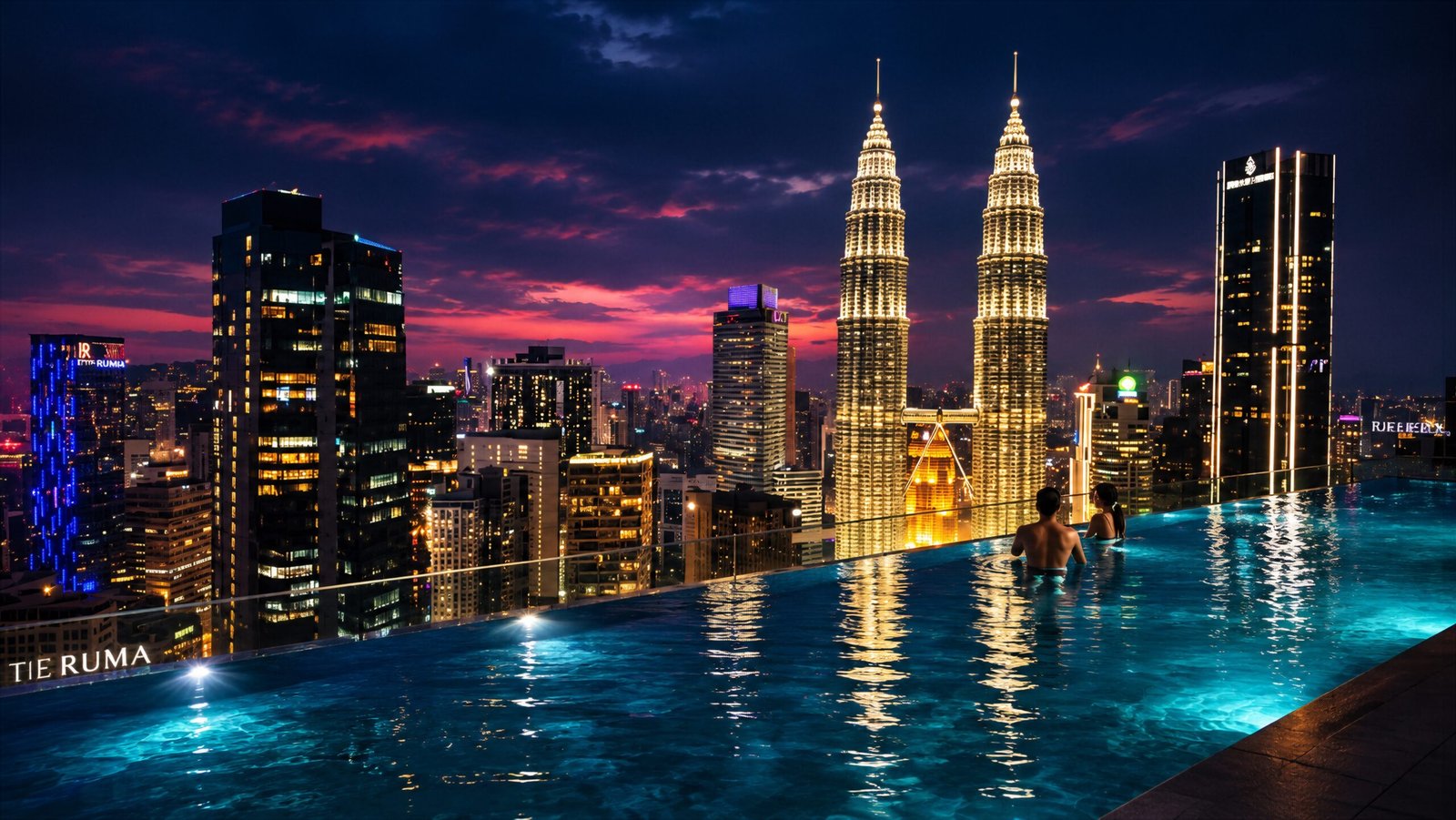
Watch the Petronas Towers light up from WET Deck
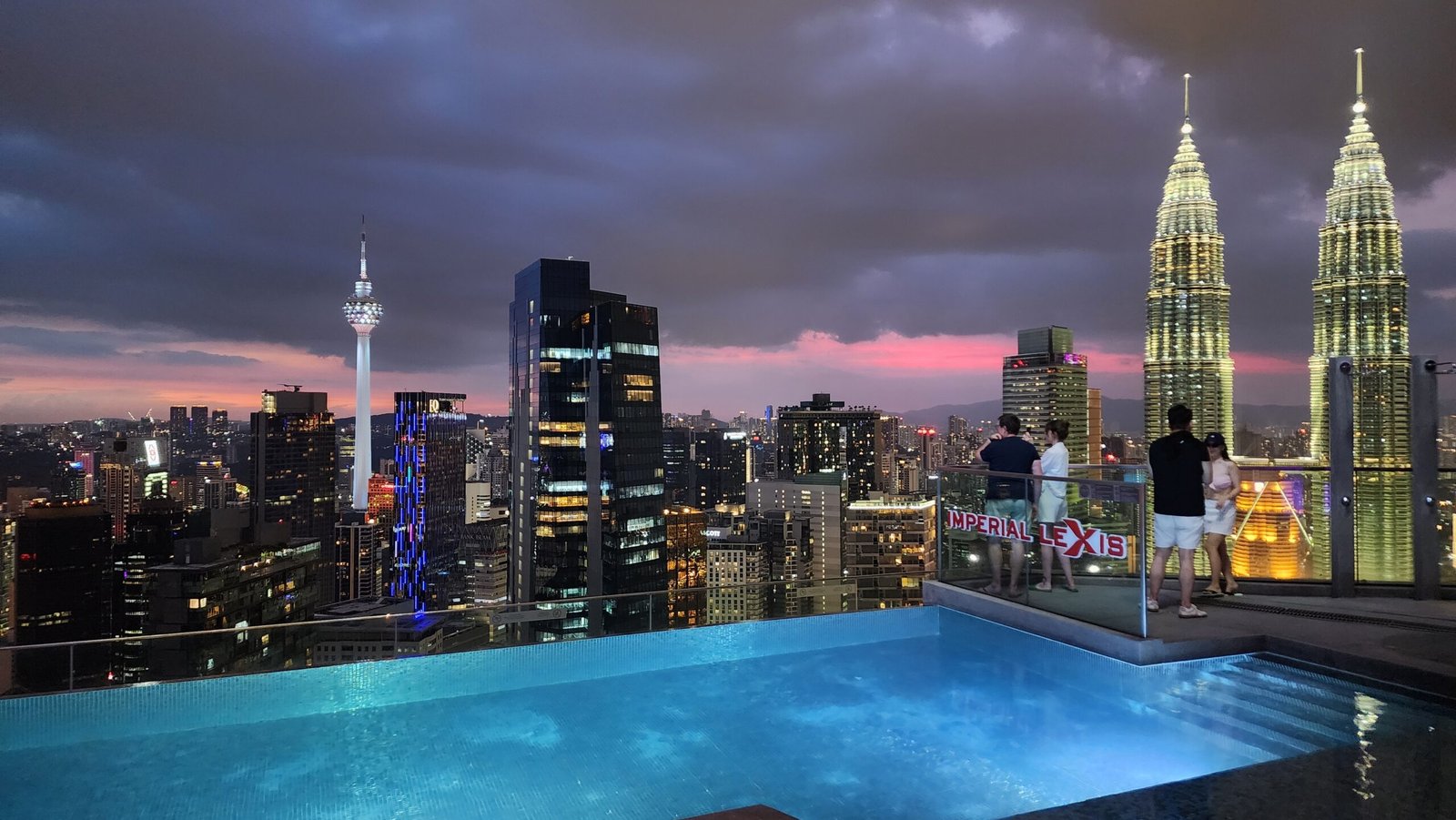
At 452 metres, the Petronas Towers are still the tallest twin towers in the world, and they look their best from across the road rather than from inside. KL is full of rooftop pools and bars that face them, and my favourite is WET Deck, the pool bar on the 12th floor of the W Kuala Lumpur on Jalan Ampang. The towers fill the view from the edge of the pool, and it’s one of the best views you can get in the city.
Get there early, before sunset, so you can grab a table and some snacks while the towers switch on. The place really comes alive at around 10pm, when the DJ gets going and the deck fills with an international crowd. The food was fantastic, the cocktails were just as good, and it was one of the nights I enjoyed most in KL. If you want to keep going afterwards, the nightlife section of my 3-day Kuala Lumpur itinerary covers Bukit Bintang, the hidden bars of Chinatown and the clubs at TREC.
Before you go
You don’t need to be staying at the W to have a drink at WET Deck. When I checked, it opened at 10am daily and closed at midnight from Sunday to Tuesday, 1am on Wednesday and Thursday, and 2am on Friday and Saturday. The dress code is smart casual, and pool day passes are sold separately. Check the hotel’s website for the latest times and DJ nights before you go.


A free view: Saloma Link
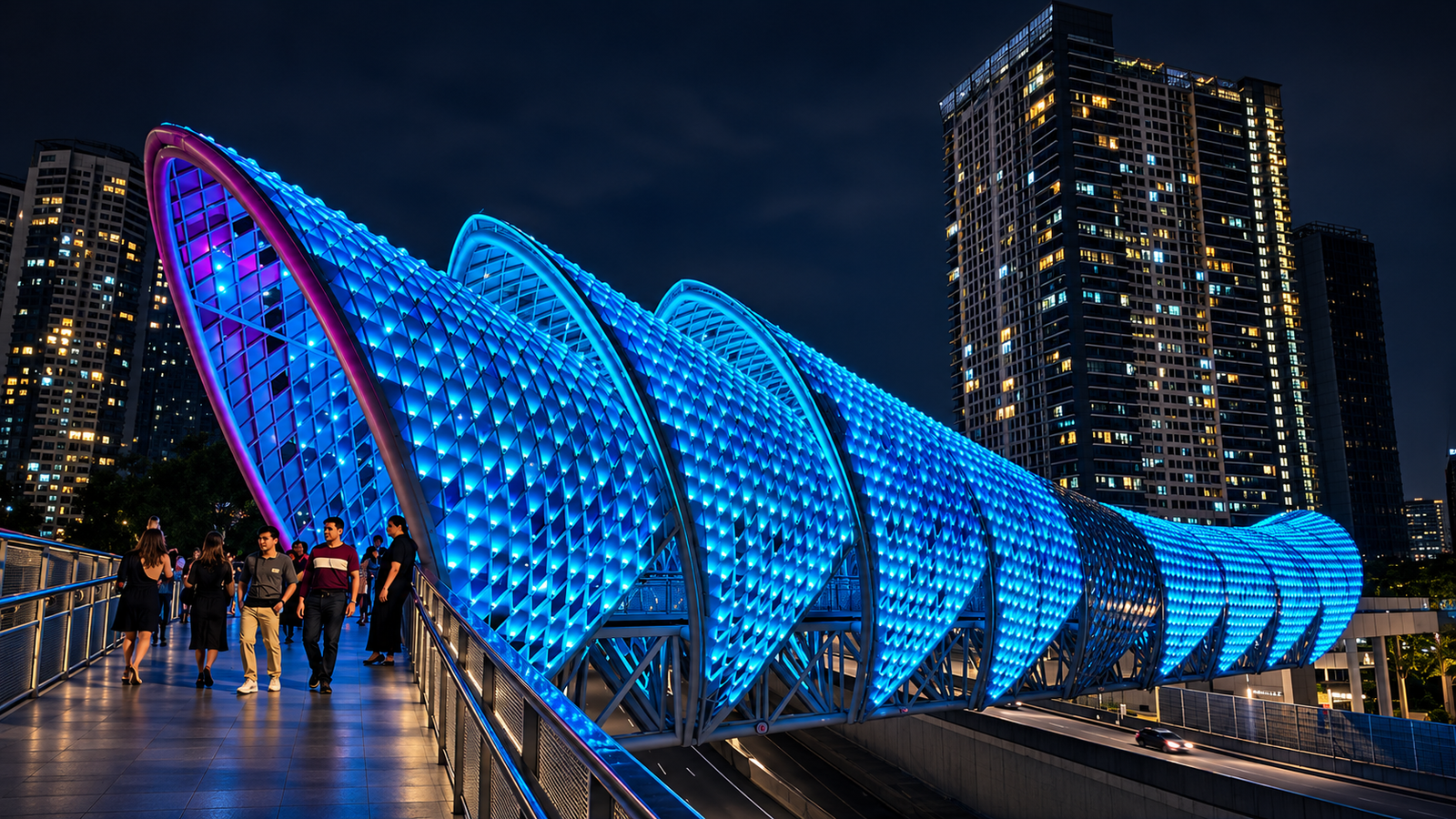
For a view of the towers that costs nothing, walk to Saloma Link, the footbridge over the Klang River between Kampung Baru and Jalan Ampang (it’s the bridge in the photo at the top of this guide). It only opened in 2020 and has quickly become one of the city’s sights. After dark its woven steel shell lights up in changing colours. I went there to take photos, and it’s one of the best spots in KL for shots of the Petronas Towers. Go after sunset, when the bridge and the towers are both lit. The satay stalls of Kampung Baru are a short walk from the far end.
03
Stop at the palace gates
Istana Negara is the official residence of Malaysia’s king. You can’t go inside, but the golden domes and the mounted guards in red uniforms at the main gate make it a worthwhile ten-minute stop. It pairs well with Thean Hou Temple on the same Grab ride.


04
See Thean Hou Temple, one of Southeast Asia’s largest Chinese temples
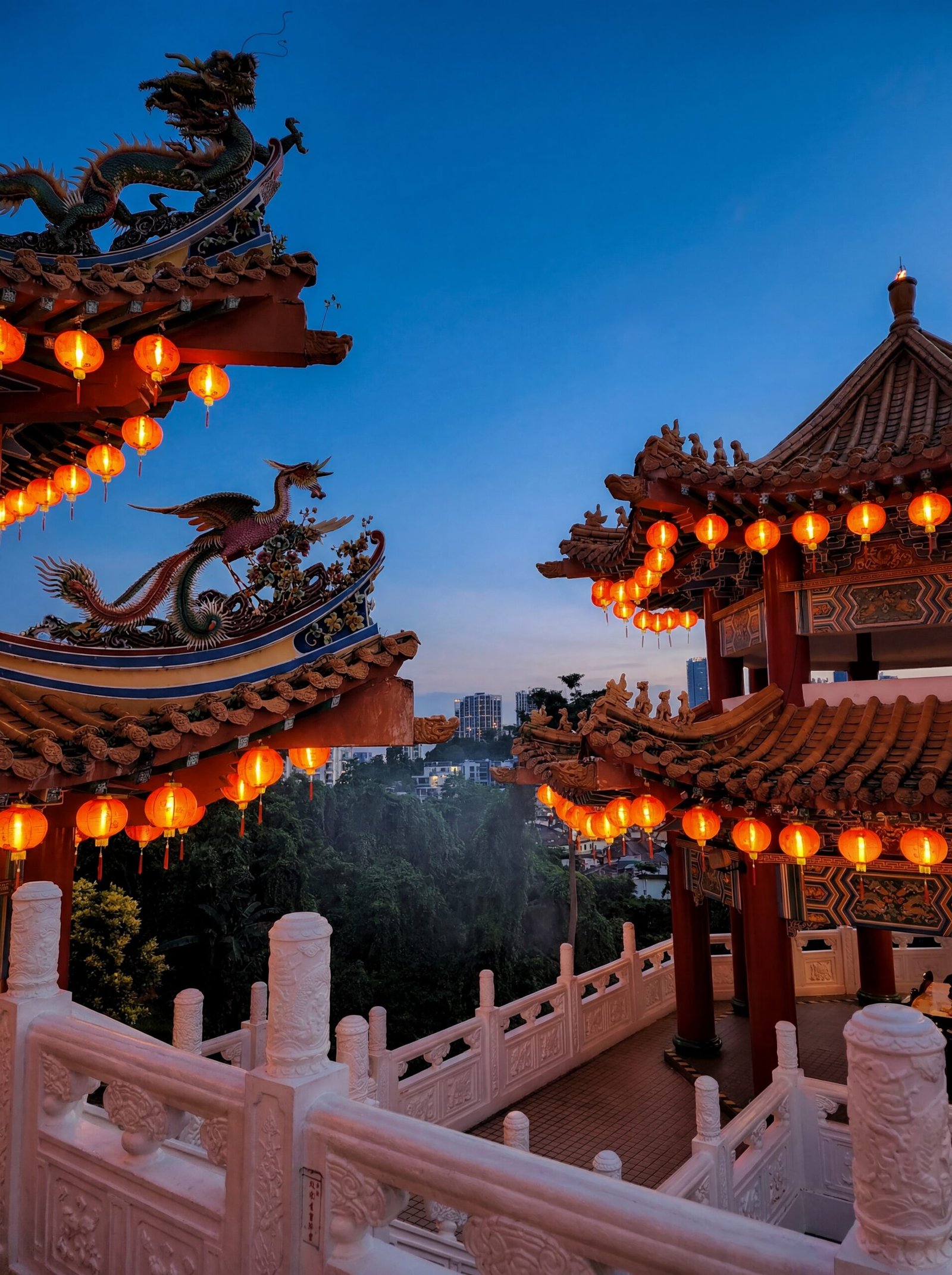
This six-tiered temple to the sea goddess Mazu sits on a hill south of the centre. It opened in 1989 and is one of the largest Chinese temples in Southeast Asia. Go as the light fades, when hundreds of red and yellow lanterns come on above the courtyard and the city lights up behind the roofs. Entry is free and it’s open daily from 8am to 10pm. Dress modestly, with shoulders and knees covered: it’s a working temple, not just a photo stop. There’s no station nearby, so take a Grab.


05
Wander Chinatown under Merdeka 118
Petaling Street is the heart of Chinatown: market stalls, red lanterns and some of the best cheap food in the city. Just off it, Kwai Chai Hong is a restored back lane covered in murals of old Chinatown life. Look up and you’ll see Merdeka 118 above the rooftops. At 678.9 metres it’s the second-tallest building in the world. Its observation deck has been a long time coming, so check whether it has opened before you go.


06
See the Sultan Abdul Samad Building on Merdeka Square
A short walk from Chinatown, Merdeka Square is where Malaya’s independence from Britain began. At midnight on 31 August 1957, as the clock on the Sultan Abdul Samad Building struck twelve, the Union Jack was lowered here for the last time and the flag of the new Federation of Malaya was raised in its place. The formal declaration was read a few hours later at Stadium Merdeka, and the square still hosts the National Day parade every 31 August.
The Sultan Abdul Samad Building itself was finished in 1897 as the offices of the British colonial government. The copper domes, the clock tower and the ornate Moorish detailing are impossible to miss once you’re standing in front of it, and it’s even better after dark, when the whole front is lit up. You can’t go inside, but the square is free and open at any time. Masjid Jamek station is about ten minutes’ walk away.


A short Grab ride away, near the Lake Gardens and the Houses of Parliament, is Malaysia’s National Monument, Tugu Negara. Its 15-metre bronze group of soldiers honours those who died in the country’s struggle for freedom, during the Second World War and the Malayan Emergency of 1948 to 1960. It was designed by Felix de Weldon, the sculptor behind the Iwo Jima Memorial in the US, and unveiled in 1966. Entry is free, and it’s open daily from 7am to 6pm.

Good to know
Malaysia is a majority-Muslim country. Dress modestly at temples and mosques, and carry a light scarf or sarong for covering up. Alcohol is widely available in KL but taxed heavily, so drinks cost more than food.
More from the trip
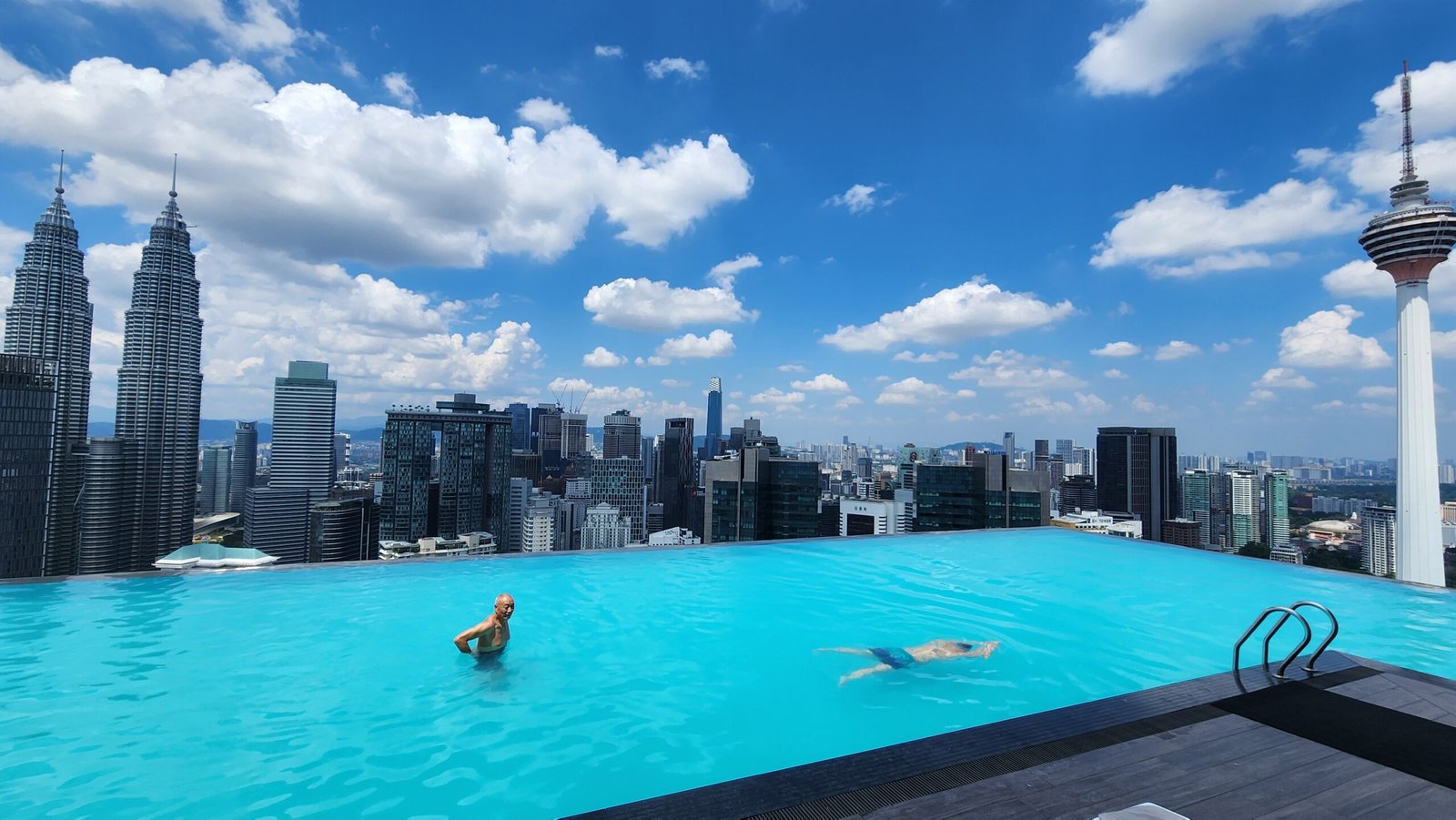
KL does pools and skylines better than almost anywhere. A few more favourites from the camera roll.

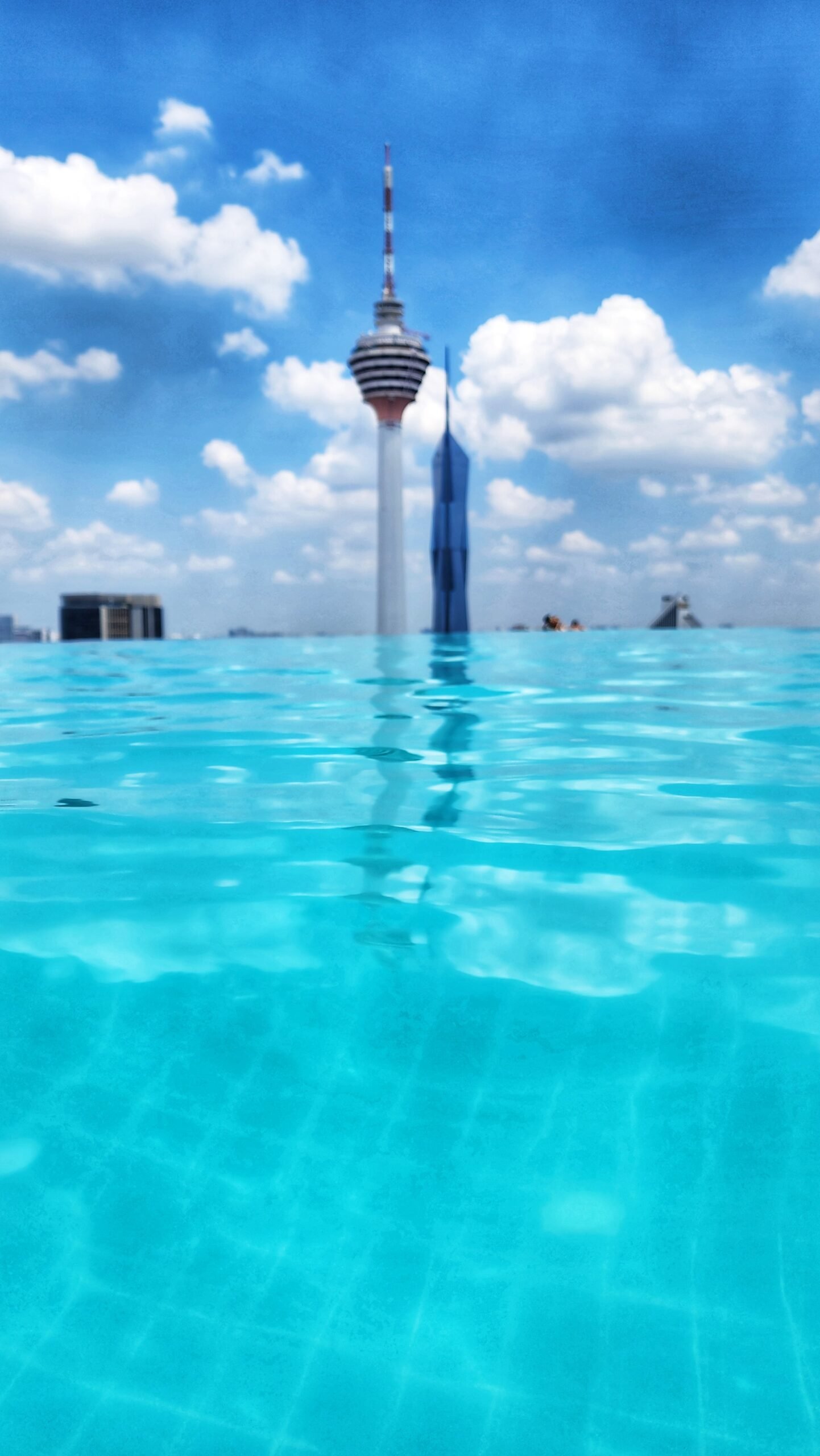

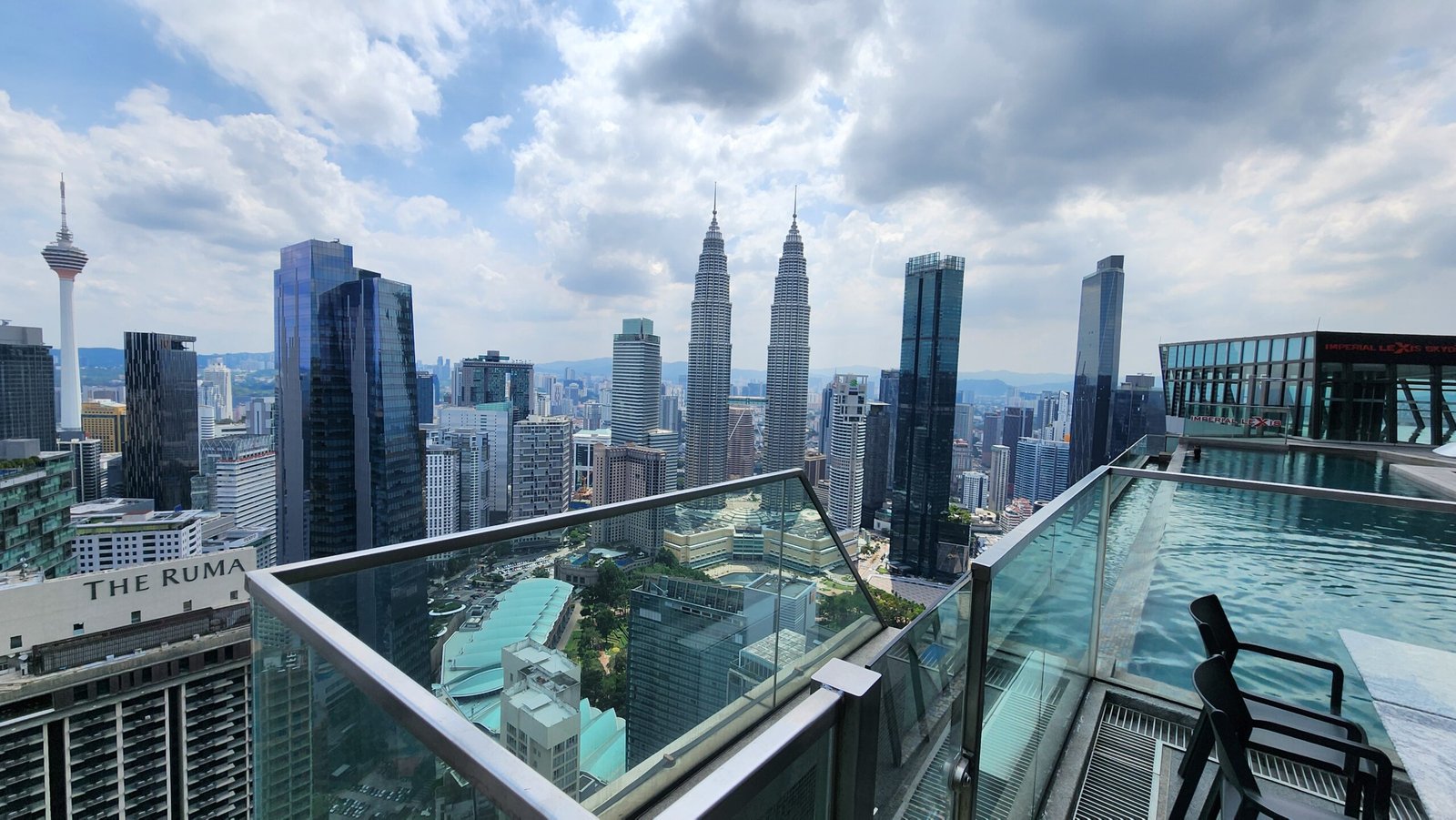
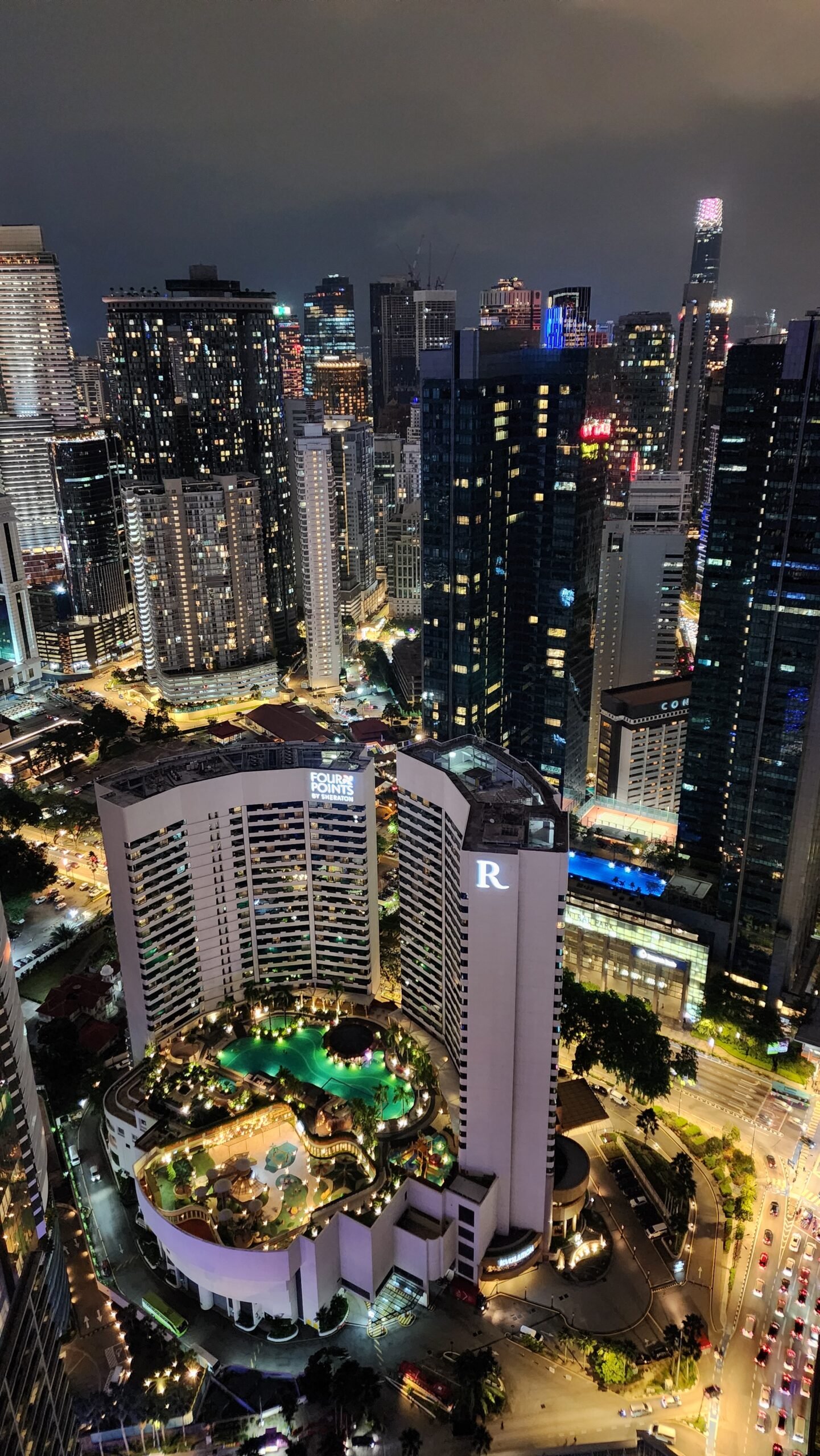
Kuala Lumpur surprised me. It’s easy, friendly and far more photogenic than its stopover reputation suggests. For a day-by-day plan, where to stay and the best day trips, read my 3-day Kuala Lumpur itinerary.
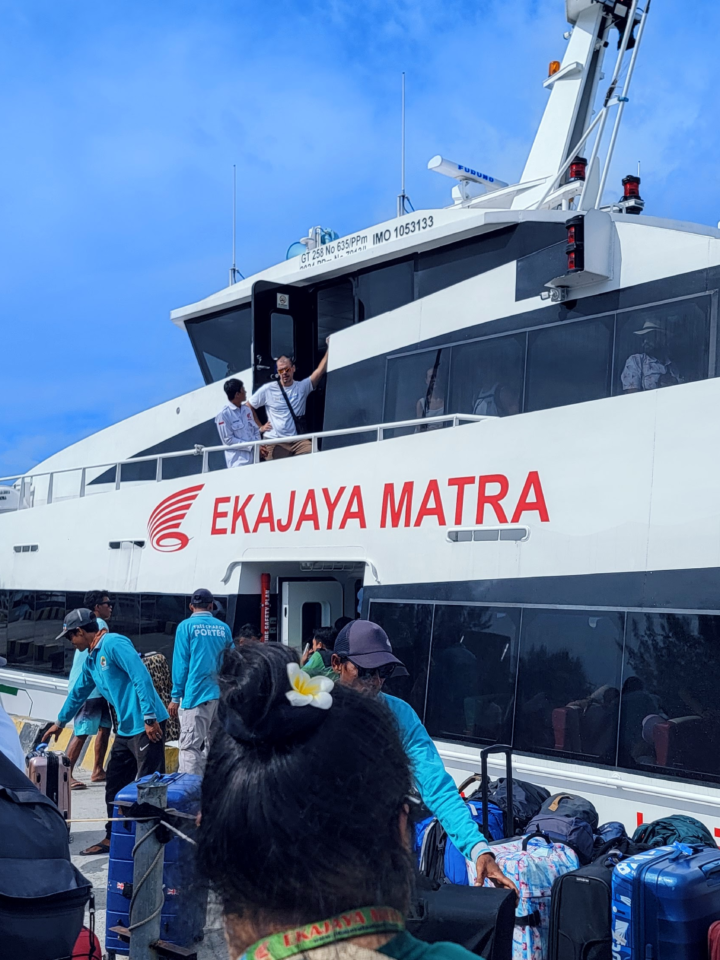
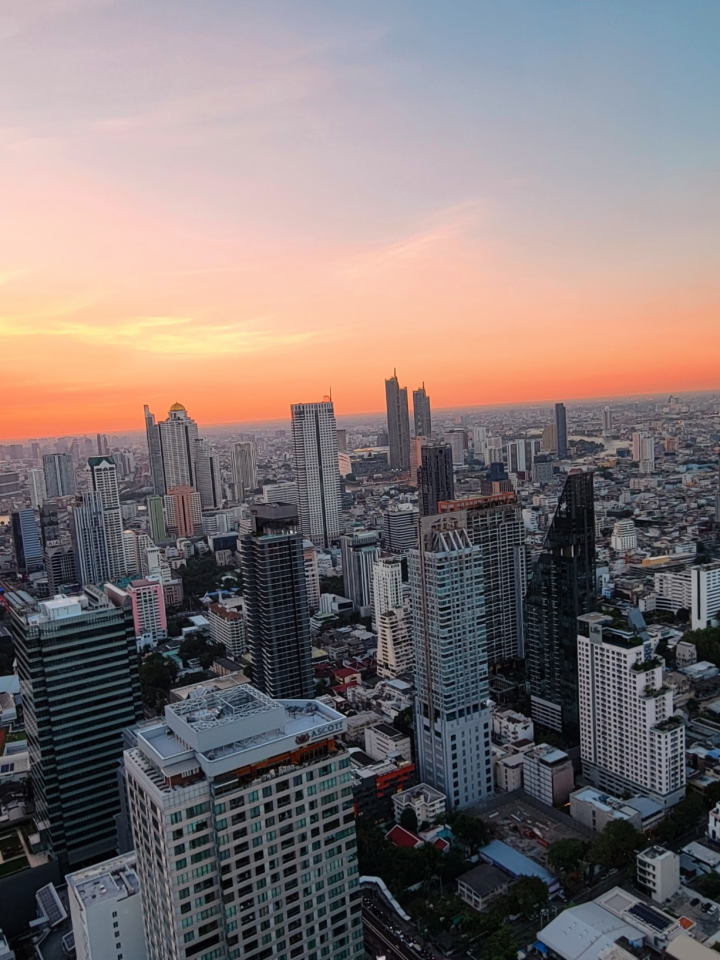
Carrying on around Asia? Bangkok is a short flight away, and my Le Du Kaan review is the dinner to book when you land. Bali is about three hours by air: start with my favourite Uluwatu restaurants, then take the boat over with my Gili Trawangan guide.