

This guide contains affiliate links. If you book through them I may earn a small commission at no extra cost to you. I only recommend things I have used myself.
Budapest is one of my favourite city breaks: grand landmarks, thermal baths, brilliant food and nightlife that goes on as long as you do. The Danube splits the city in two. Buda, on the west bank, is hilly, relaxed and residential. Pest, on the east, is flat, cosmopolitan and the lively side, home to the ruin bars, restaurants and most of the big sights. The two were only joined as one city in the 19th century, linked by the Chain Bridge and the bridges that followed.
The best part? Two days is enough to see a lot of it, which makes it perfect for a long weekend. Here’s how I’d spend them.
Before you go
- Visa: not needed for UK and US visitors staying under 90 days, but check the current entry rules before you travel.
- Currency: Hungarian forint (HUF). Cards are accepted almost everywhere.
- Language: Hungarian, with English widely spoken in the centre.
- Plugs: European two-pin (types C and F), 230V.
- Time: Central European Time, an hour ahead of the UK all year.
Getting there
Flights land at Budapest Ferenc Liszt International Airport (BUD), still often called Ferihegy, its name until 2011. It’s about 24km south-east of the centre and served by most major and low-cost airlines.
The cheapest way into town is the 100E Airport Express bus from Terminal 2. It takes about 45 minutes and stops at Kálvin tér, Astoria and Deák Ferenc tér, all in the centre and walkable to most hotels. It runs every 10 minutes in the day and less often overnight; check the times and current fare on the BKK website.
If, like me, you can’t face more public transport after a flight, jump in a yellow taxi. It took about 35 minutes and cost around €30 when I went. There’s no Uber in Budapest, but the Bolt app books licensed taxis in the same way. Arriving by train, you’ll come into Keleti, Nyugati or Déli station, each on the metro.

Jay’s tip
Download the BudapestGO app to buy public transport tickets on your phone. Always validate your ticket: plain-clothes inspectors do random checks and the fines aren’t small.
When to go
Budapest is worth visiting any time of year, but spring (mid-March to early June) and autumn (September and October) are ideal. July and August bring higher hotel prices, with big events like the Sziget Festival and the Hungarian Grand Prix. The Christmas markets run from late November to early January. They’re busy and hotels are pricier, but the atmosphere is worth it.

Where to stay in Budapest
Stay in downtown Pest. It’s the busiest, most convenient side for sightseeing and nightlife. My advice: spend your first morning on the Buda side, then give the rest of your trip to Pest.

Where I stayed
Pullman Budapest
Formerly the Hard Rock Hotel, right in the centre and a 10-minute stroll from St Stephen’s Basilica, the House of Terror and the Dohány Street Synagogue. I’d recommend it 100%.


Best for a treat
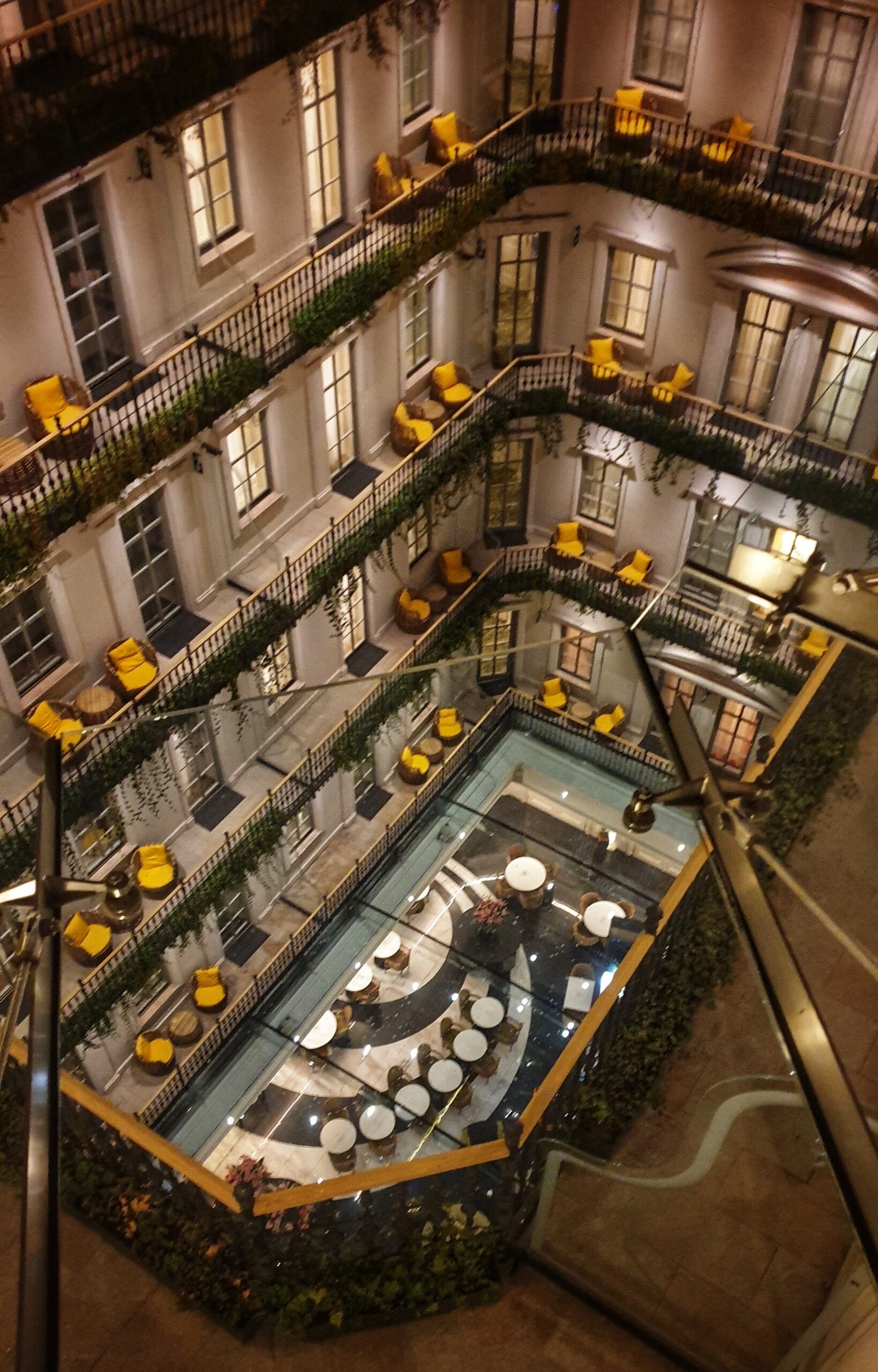
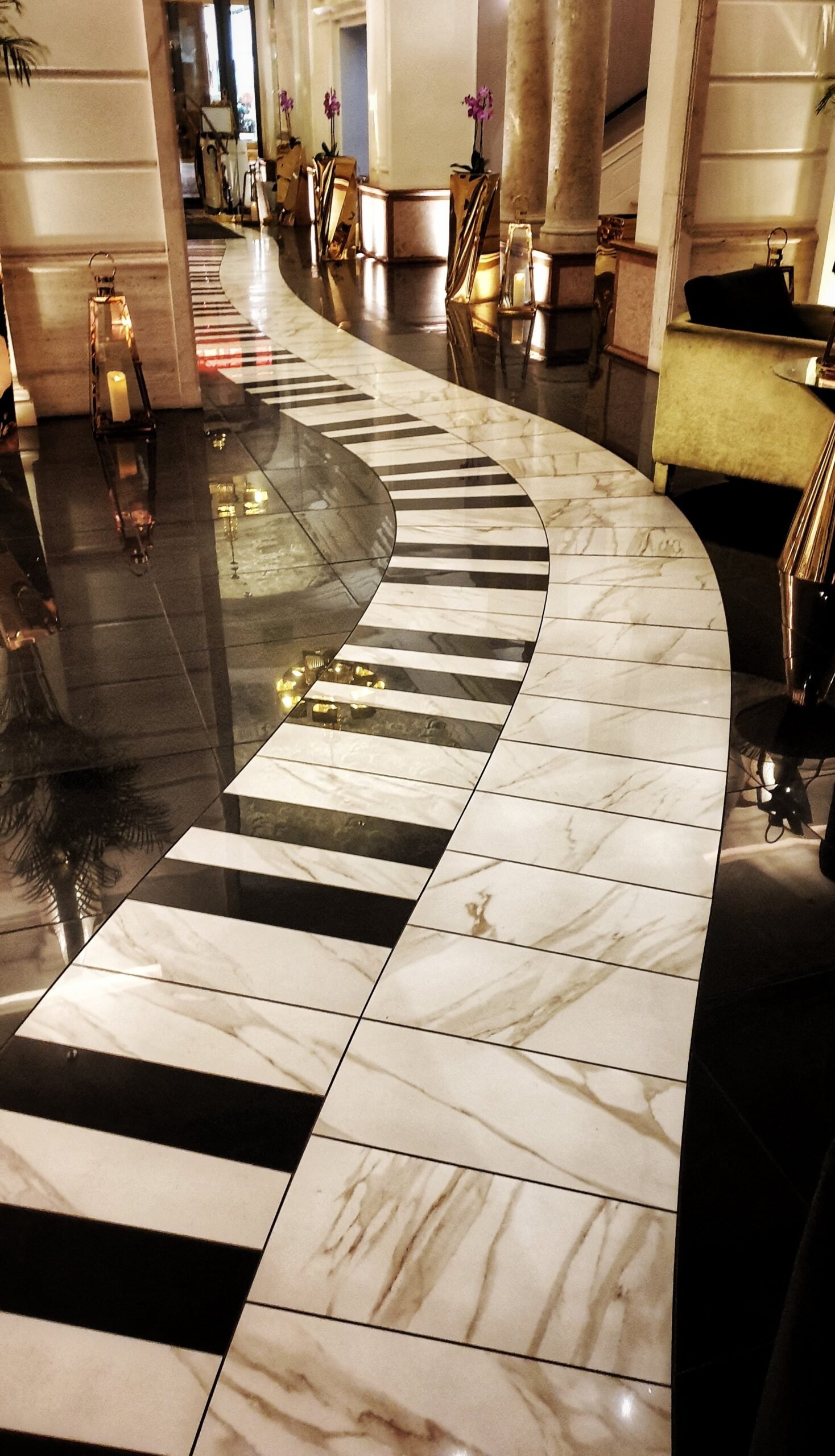
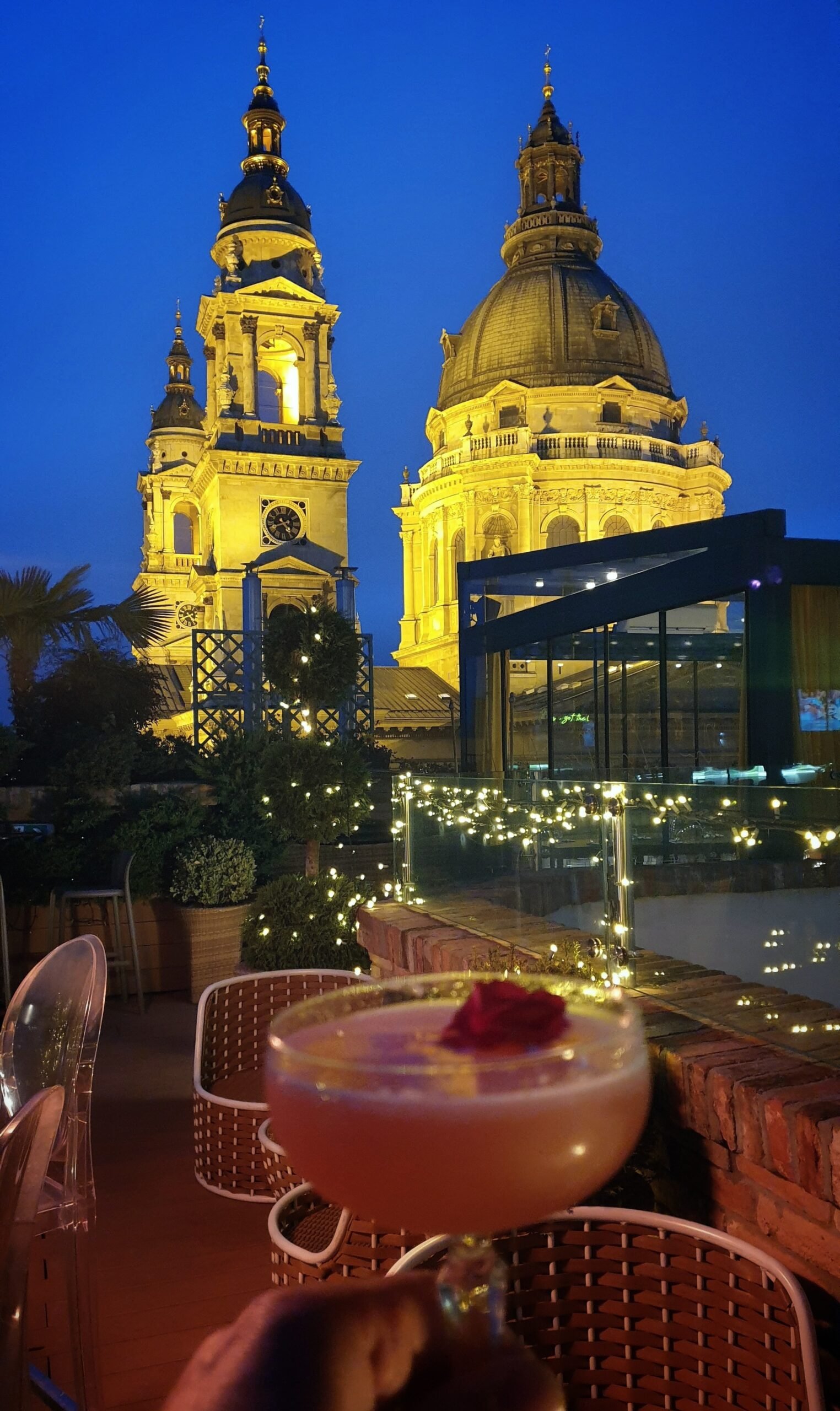
Aria Hotel Budapest
A stylish, music-themed boutique hotel next to St Stephen’s Basilica, with panoramic views from its rooftop cocktail bar. Don’t miss the one-of-a-kind Bogányi piano.
Breakfast and coffee
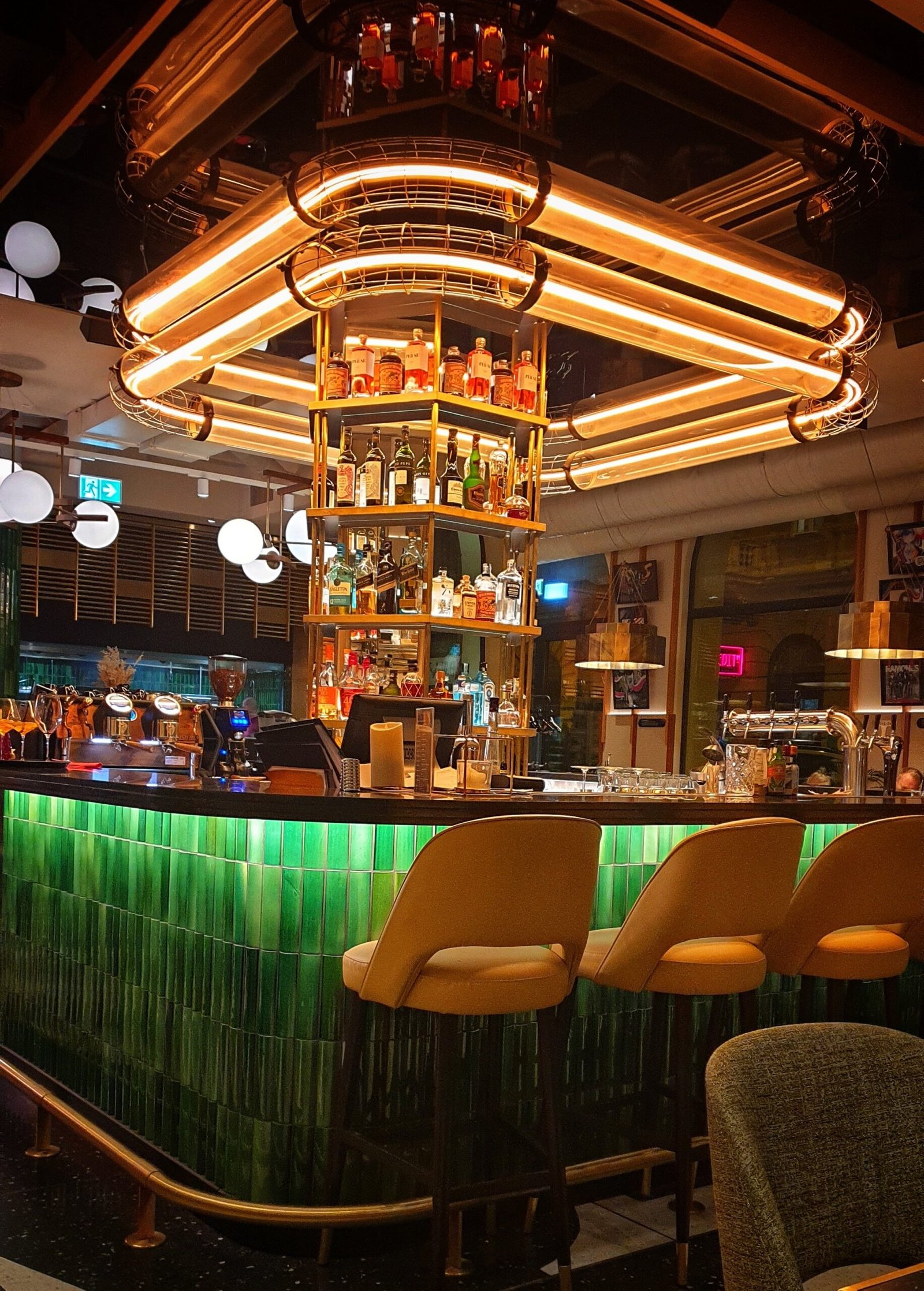
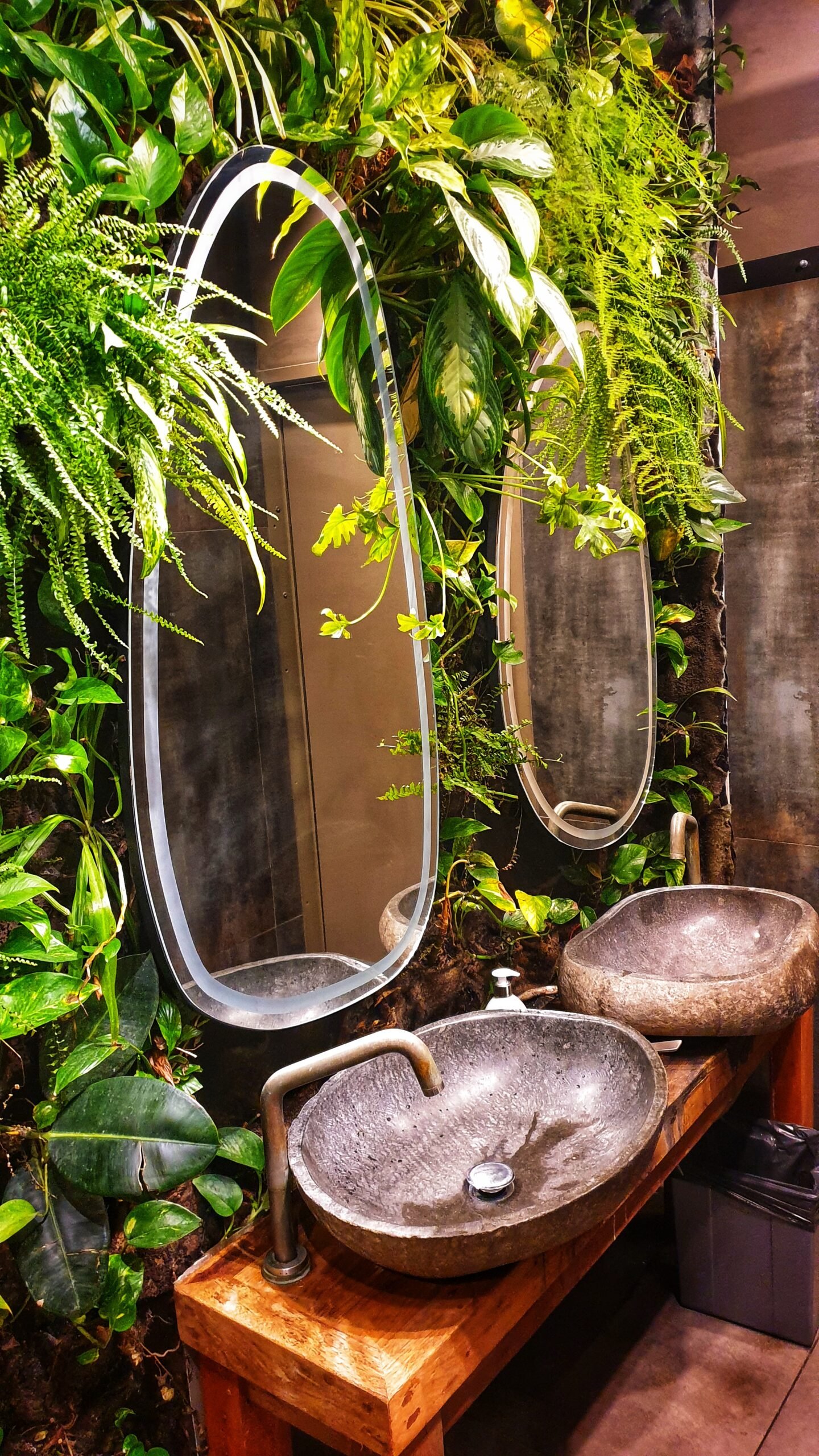
Breakfast was included at my hotel, but I wanted to get straight out onto the streets. I always research the best breakfast spots near where I’m staying, and in Budapest there are plenty. I set Google Maps for Twentysix, a huge, light-filled space full of palm trees that feels like stepping into a rainforest in the middle of the city. Paradise found. If you can’t make breakfast, go back later for the steaks and cocktails. You’ll thank me.


Cinnamon is another favourite, serving breakfast all day. And for something more decadent, the New York Café is often called the most beautiful café in the world: neo-Renaissance marble columns, chandeliers, frescoes and gilding everywhere. Go on, have the 24-carat gold coffee.
Day 1 in Budapest: Castle Hill, then Pest by the river
Start on the Buda side while it’s quiet. Ride the funicular up Castle Hill, walk the old streets to Fisherman’s Bastion, then cross back over the Chain Bridge and give the afternoon to the Pest riverside.
01
Buda Castle Quarter
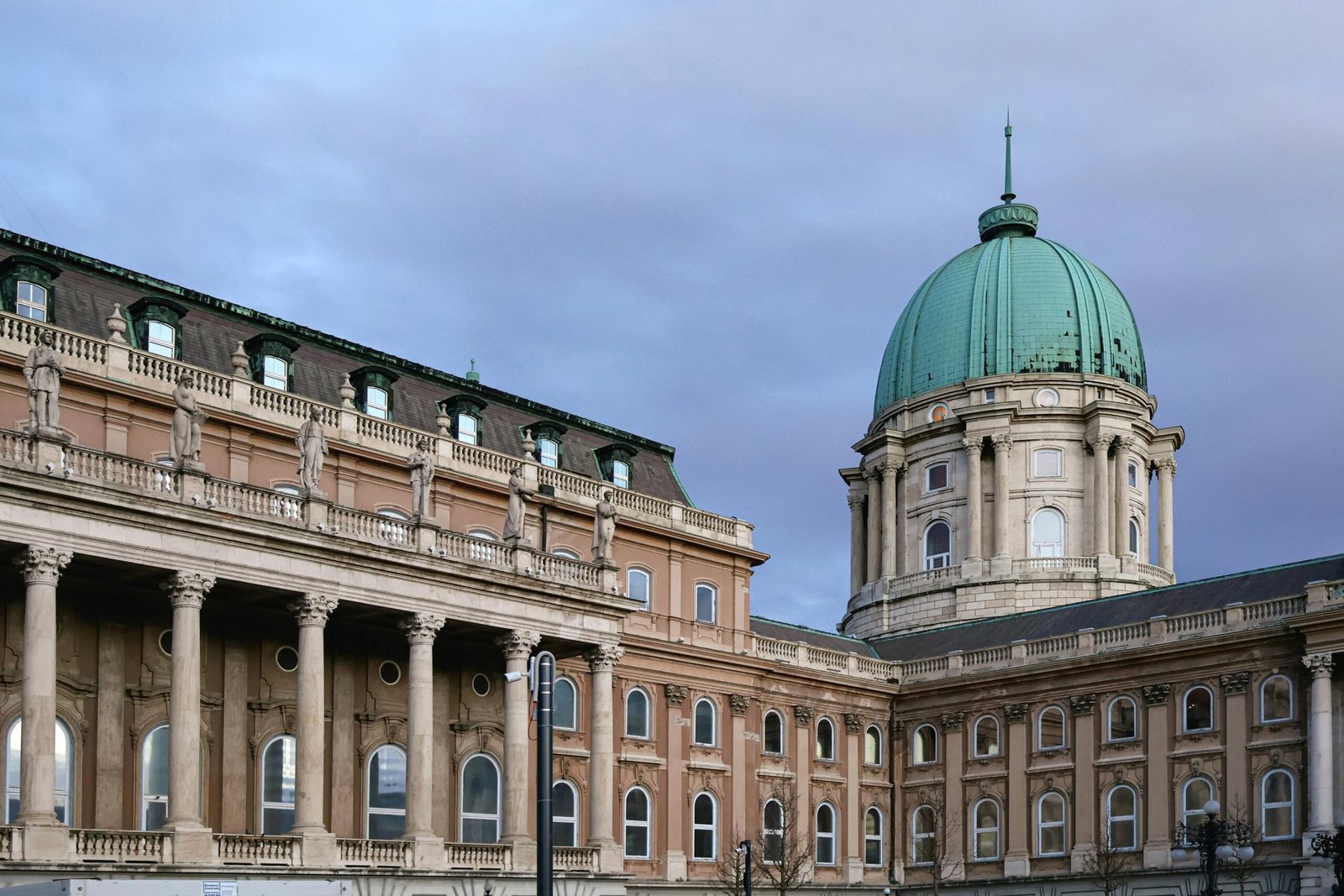
Ride the Castle Hill Funicular up from the Buda end of the Chain Bridge for views all the way. The whole castle district has been a UNESCO World Heritage Site since 1987, and with its narrow cobbled streets lined with old buildings it’s easy to see why. The palace now houses the Hungarian National Gallery and the Budapest History Museum. There’s a beer festival every June, too.
02
Matthias Church
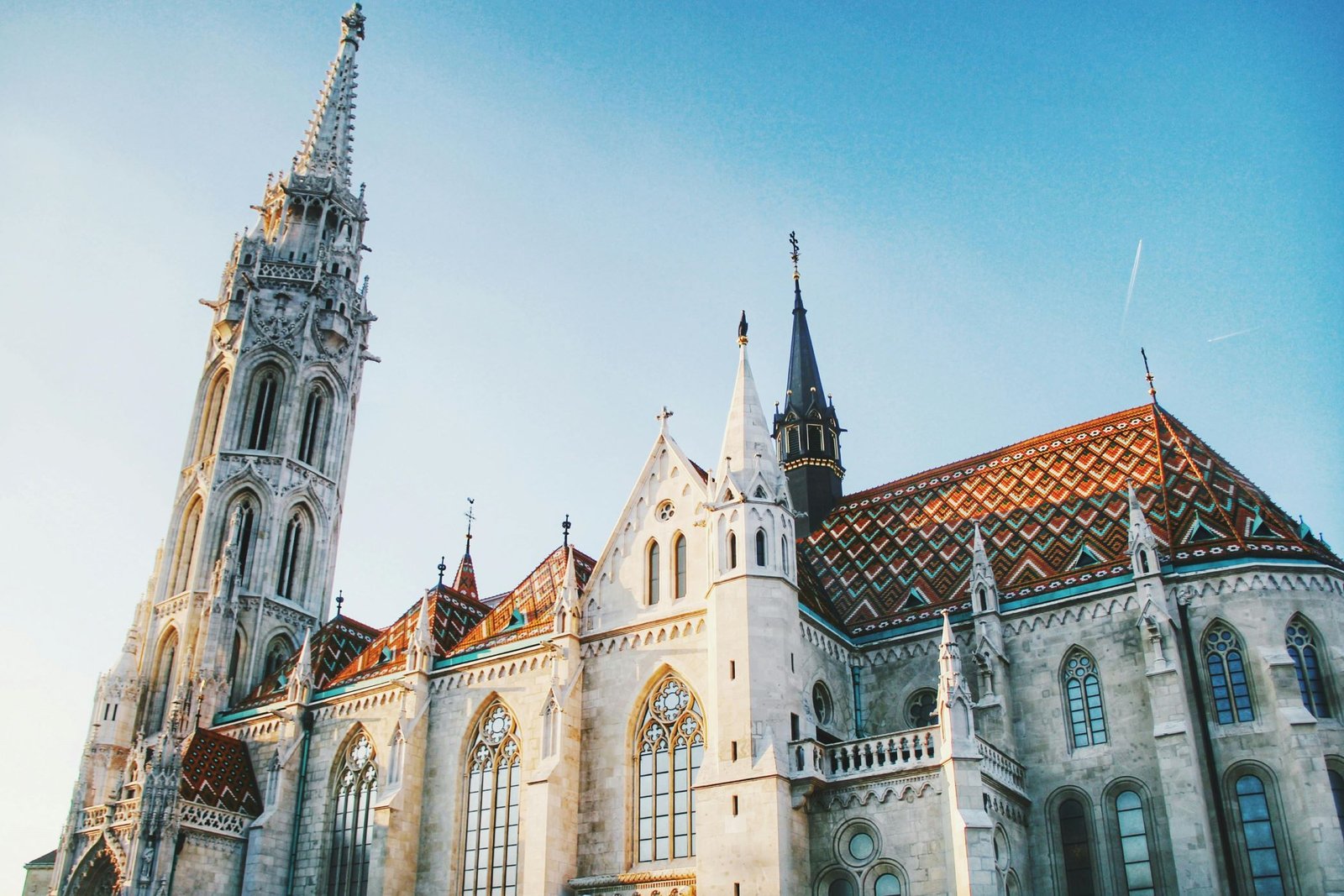
A Gothic church first built in the 13th century, turned into a mosque during Ottoman rule and later restored as a church. It has hosted coronations and two royal weddings, and today it’s also a venue for concerts.
03
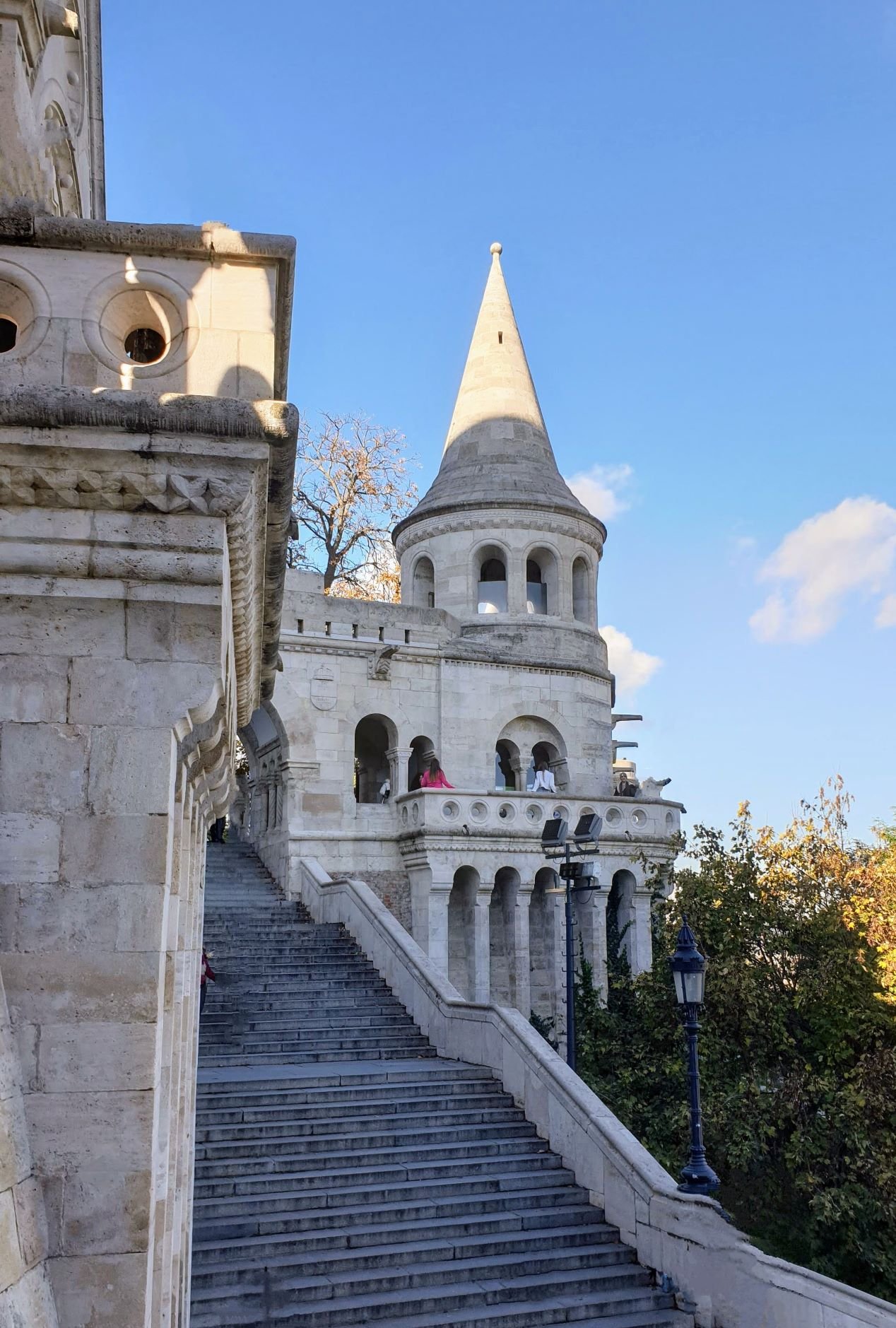
Fisherman’s Bastion
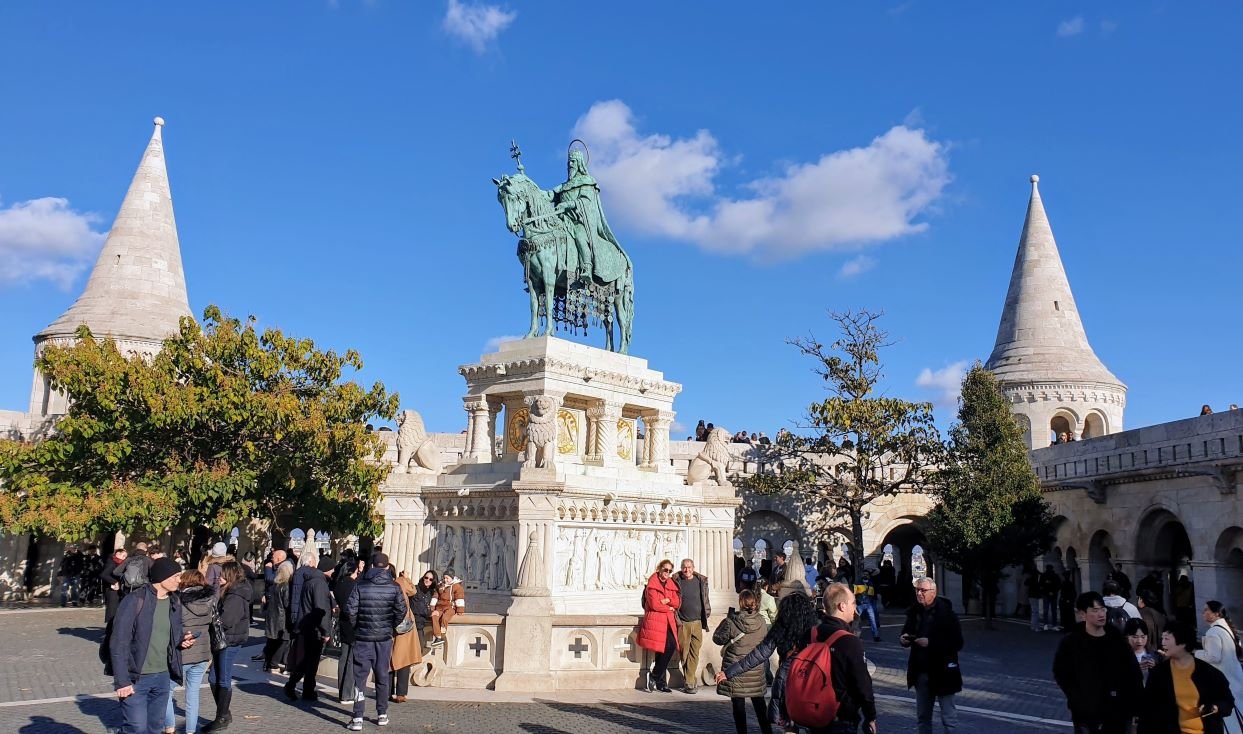
Right behind Matthias Church, it looks ancient but was finished in 1902 to celebrate Hungary’s 1,000th birthday. Architect Frigyes Schulek gave it seven towers, one for each of the seven Magyar chieftains who founded the nation. The views are spectacular; you need a ticket for the upper terrace.



04
Shoes on the Danube Bank
Near Parliament, sixty pairs of iron shoes line the river bank. Installed in 2005, the memorial honours the Jewish people murdered here by the Arrow Cross militia in the winter of 1944–45. Victims were ordered to take off their shoes, then shot at the water’s edge so the river carried their bodies away. Thousands of Jews were killed across the city. It’s a simple, intimate memorial, and one of the most moving places in Budapest. Take a quiet moment here.

05
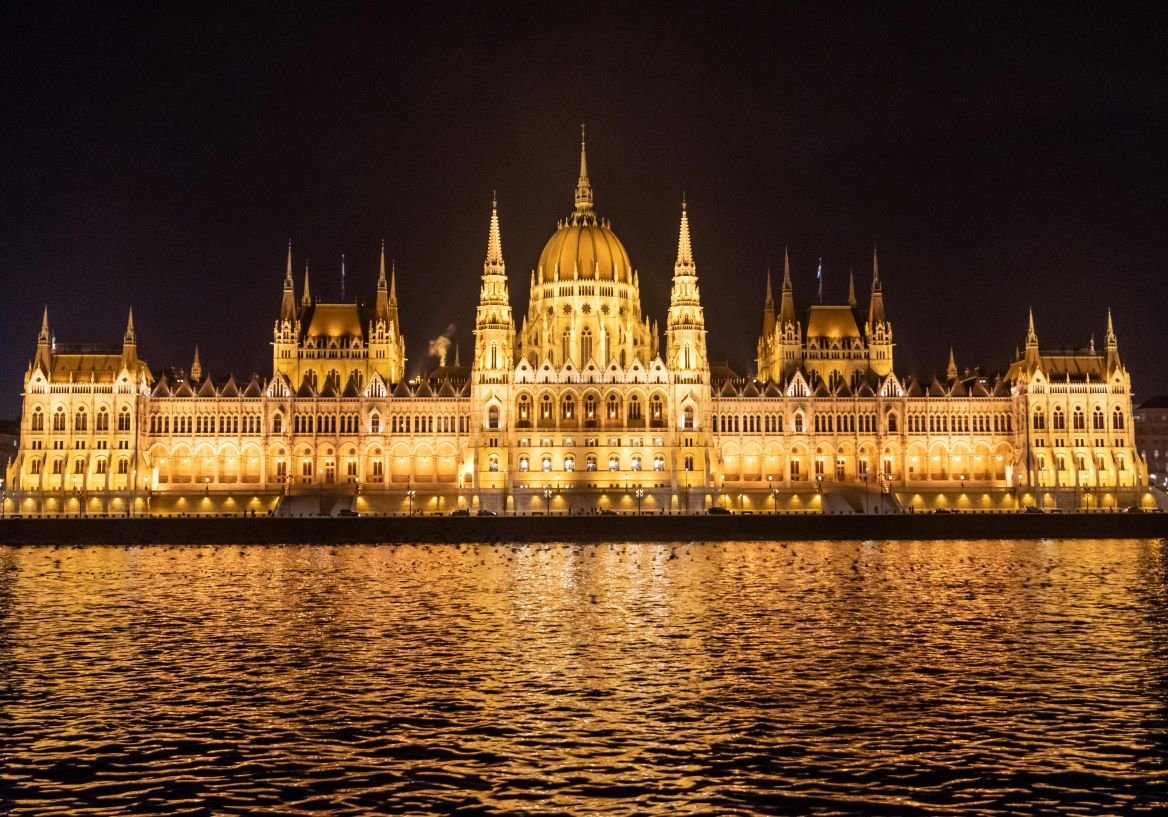
The Hungarian Parliament
The symbol of Hungary sits on the Pest bank between the Chain Bridge and Margaret Bridge, part of the Danube banks UNESCO World Heritage Site. It took around 17 years to build, from 1885 into the early 1900s. Book ahead for a guided tour inside.

06
Take a walking tour
Budapest is so walkable that a walking tour is the most efficient way to tick off the landmarks in one go, then come back to the ones you want to see properly. There are free tours; this is the one I’d recommend. In Szabadság (Liberty) Square, near Parliament and the US Embassy, I was surprised to find a statue of Ronald Reagan. Luckily the guide explained everything, including the controversial Memorial for Victims of the German Occupation.



Day 2 in Budapest: thermal baths, City Park and a sunset cruise
Day two is all Pest. Get to the baths early, walk up through City Park, then save the river for sunset.
07
Soak in a thermal bath
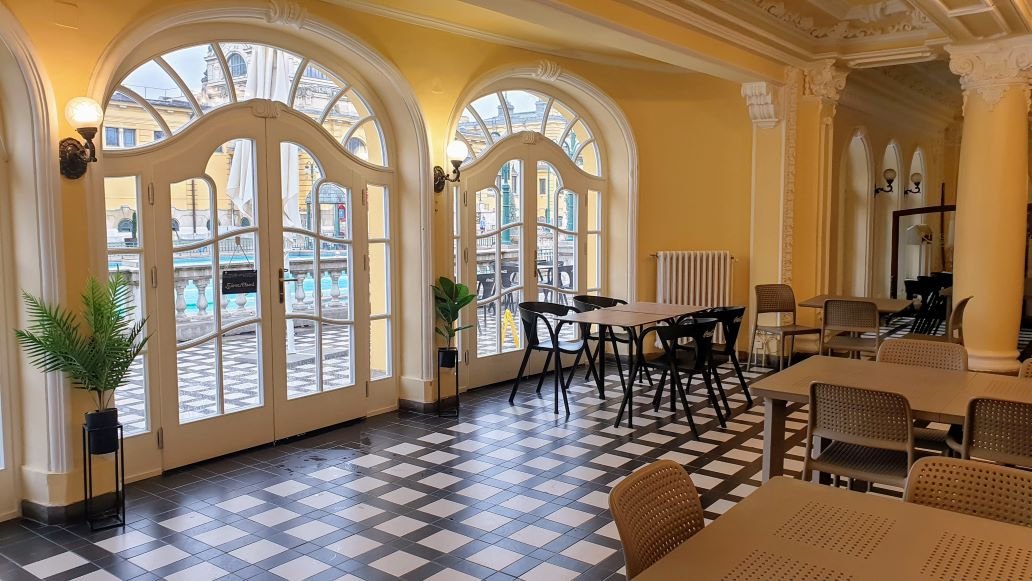
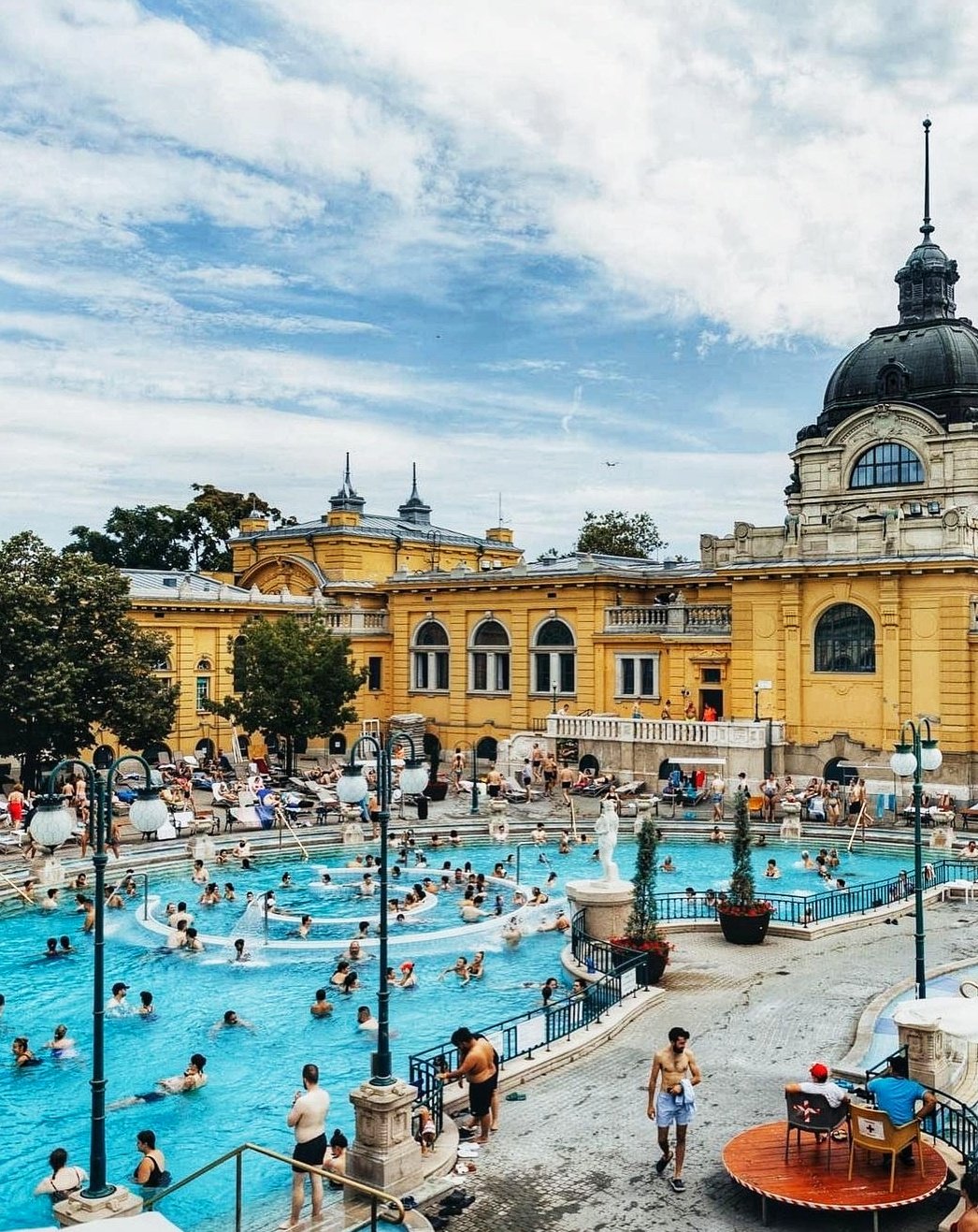
Budapest is a spa city for good reason. The famous Széchenyi Baths in City Park are the perfect place to spend a couple of hours. Bring your swimsuit, a towel and flip-flops (and no skinny dipping). Avoid weekends, when you’ll be packed in like sardines, and go early. When I went, entry was around €20–30; expect to pay a bit more now.

Update
I used to recommend the more chilled-out Gellért Baths, but they closed in October 2025 for a renovation expected to last until around 2028. For a quieter soak in the meantime, try the Rudas Baths on the Buda side.
08
Heroes’ Square and City Park
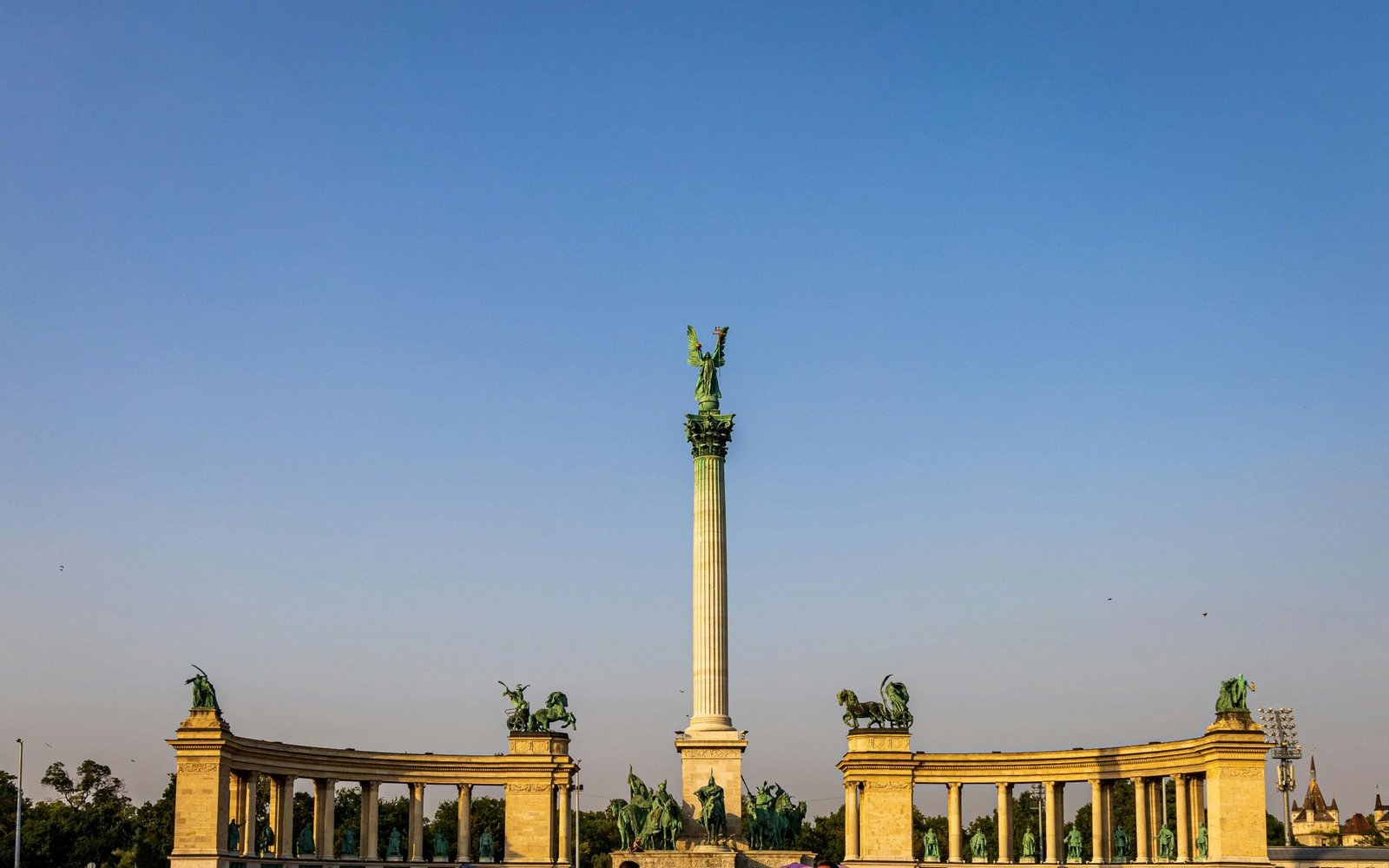
A couple of minutes from Széchenyi, Heroes’ Square is home to the Millennium Monument, built to mark 1,000 years since the Magyar conquest. The square and Andrássy Avenue are both part of the World Heritage Site. In City Park, Vajdahunyad Castle sits on a little island reached by bridges from four sides. It mixes several architectural styles, its main façade copies a castle in Transylvania, and inside is Europe’s largest agricultural museum.
09
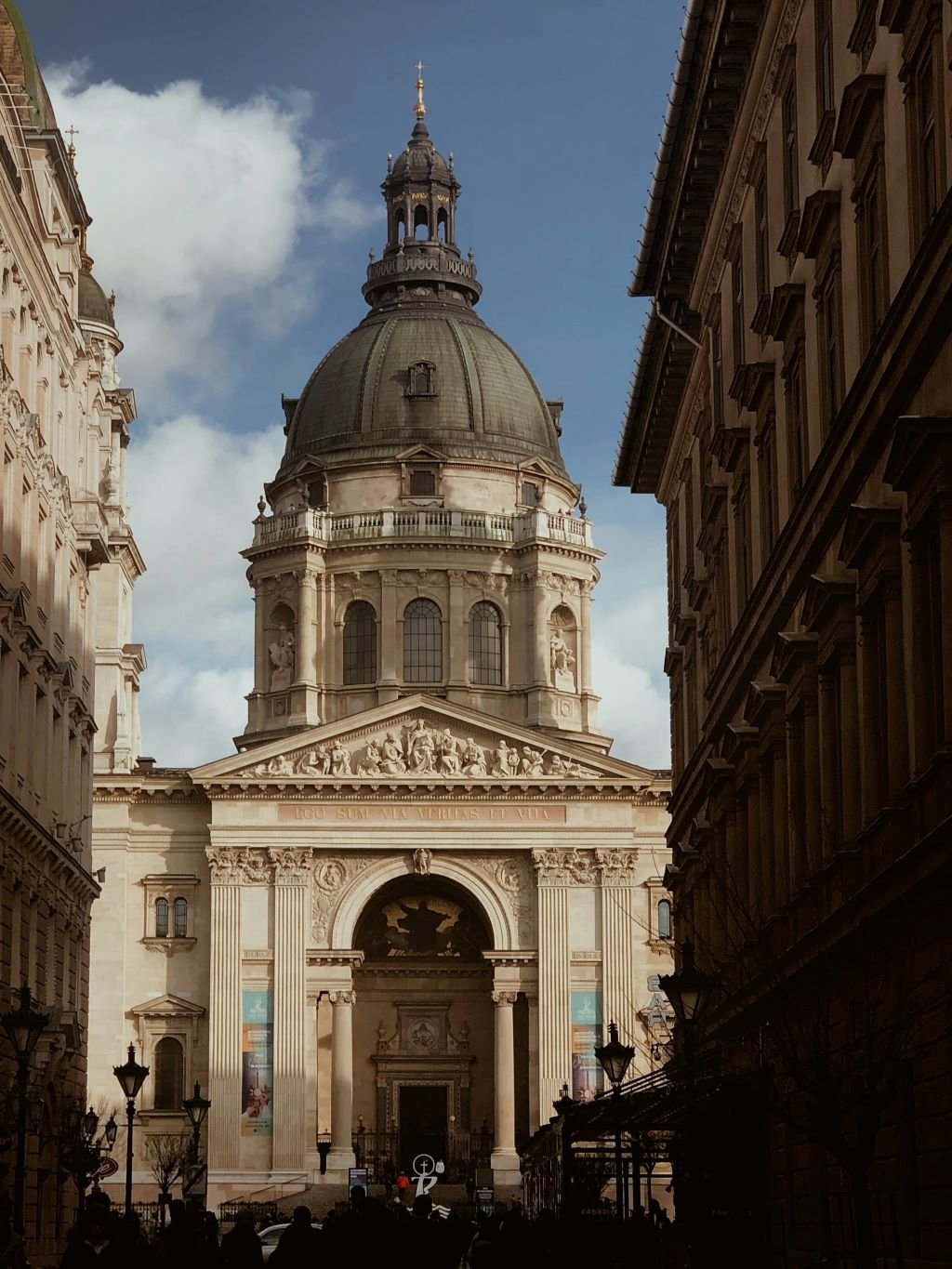
St Stephen’s Basilica
Budapest’s largest church, in the heart of the city. Its dome rises 96 metres and dominates the skyline. It’s dedicated to St Stephen, Hungary’s first king, and you can see his mummified right hand inside.

10
See the city by e-scooter
This was my favourite tour in Budapest. A couple of hours whizzing around on a MonsteRoller e-scooter is a great way to cover a lot of ground fast.
11
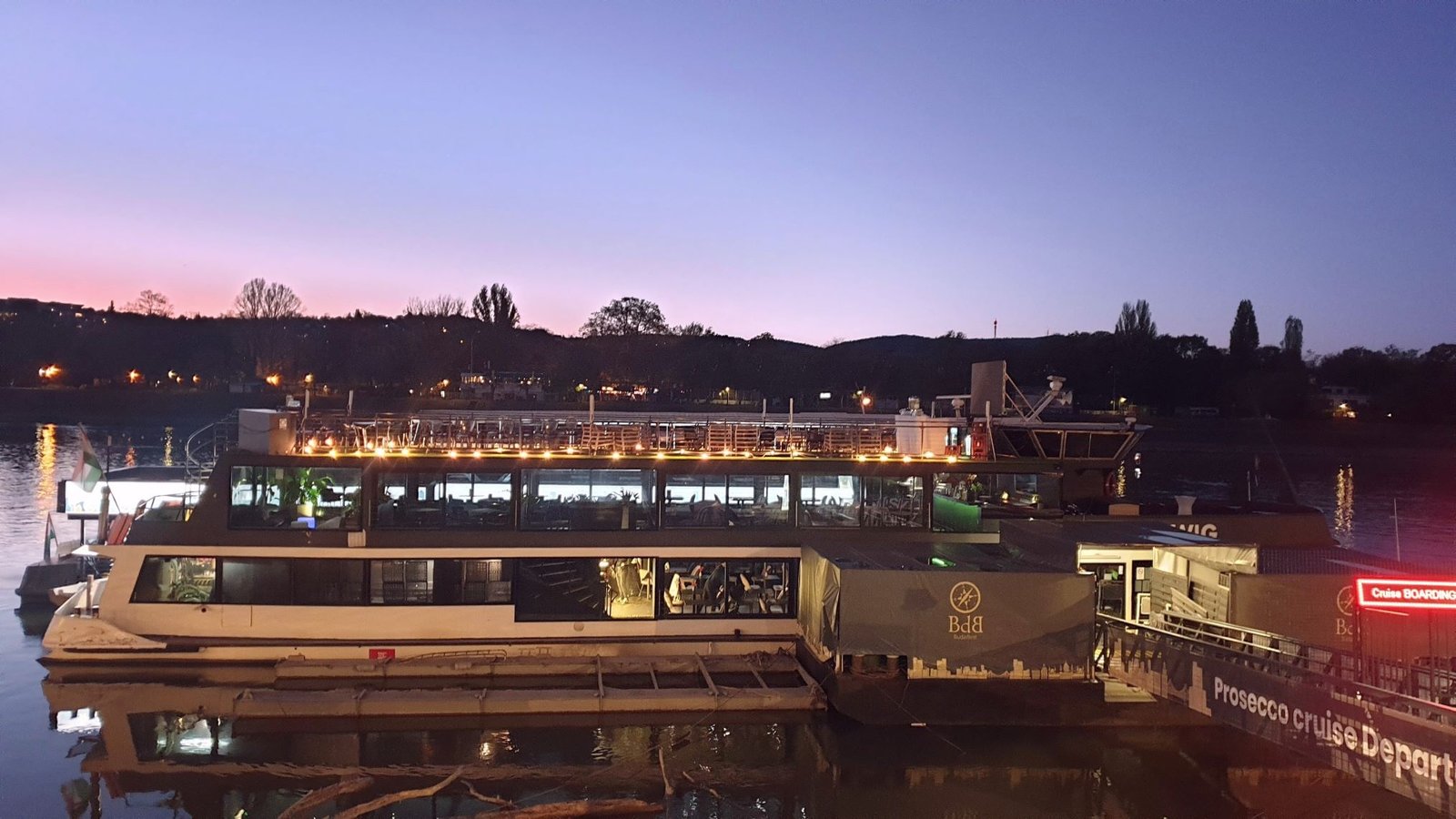
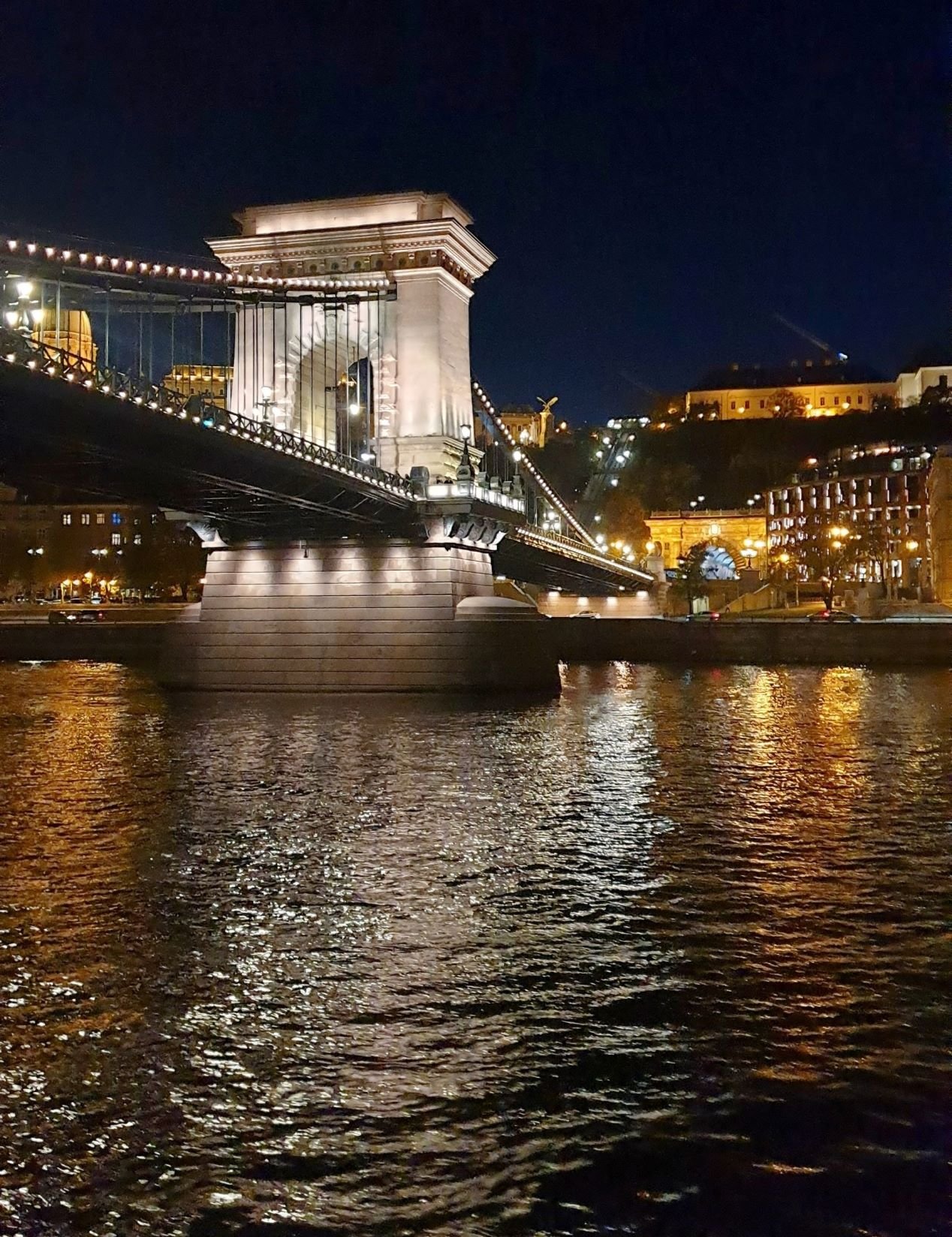
Cruise the Danube at sunset
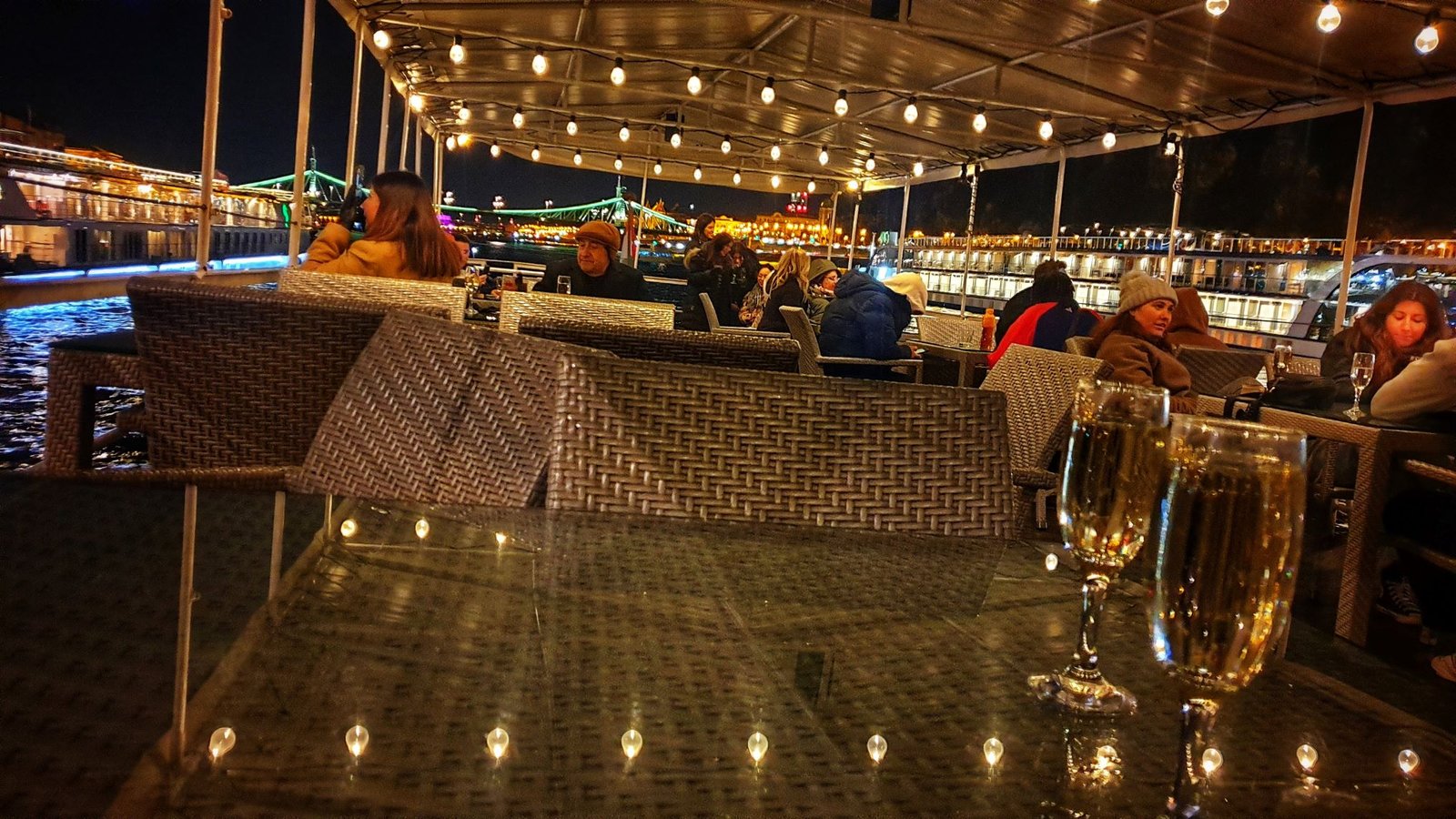
See Parliament, Buda Castle, Matthias Church, the Chain Bridge and Margaret Island from the water. On my second evening I took a 90-minute sunset cruise with unlimited sparkling wine. One of the best I’ve done, and they don’t hold back on the refills.

Where to eat and drink
Karavan street food
You’ll never go hungry in Budapest. My favourite street food spot is Karavan, a small outdoor food court on Kazinczy utca (No. 18), right next to Szimpla Kert, with international street food, beers and cocktails. Open daily from 11.30am, until 11pm Sunday to Wednesday and midnight Thursday to Saturday.
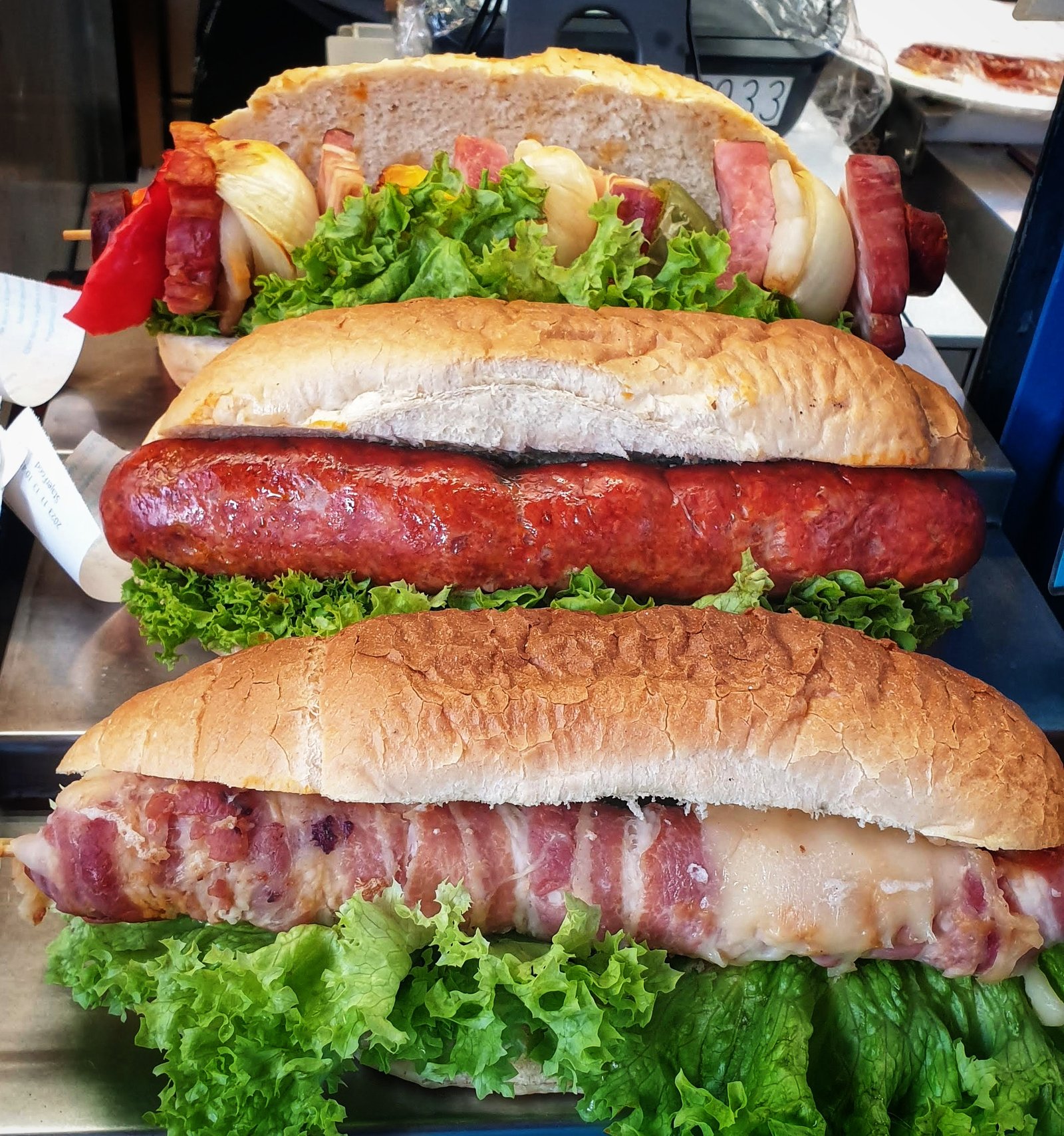
Hungarian dishes to try: goulash, a hearty beef, potato and paprika stew; lángos, deep-fried bread topped with sour cream, cheese and garlic; halászlé, a spicy fisherman’s soup; and chicken paprikash in a creamy paprika sauce with dumplings. And the chimney cake: you’ll smell the sugary scent before you see it. Perfect with a coffee.


Central Market Hall
Your one-stop shop for everything Hungarian. Built in 1896 for the millennium celebrations, it’s one of the city’s most visited sights for its architecture alone. Three floors cover everything from souvenirs and novelty T-shirts to fresh fruit, vegetables and meat. This is the place to buy your Hungarian paprika. Open Monday to Friday 6am–6pm, Saturday 6am–3pm, closed Sunday.

Lunch at Hoppá! Bistro
I booked Hoppá! for lunch in advance, and I’m glad I did: they turned several people away before I arrived at 2pm. It serves contemporary French and Hungarian food at Október 6. utca 15, in the centre.


Don’t miss
Szimpla Kert, the original ruin bar
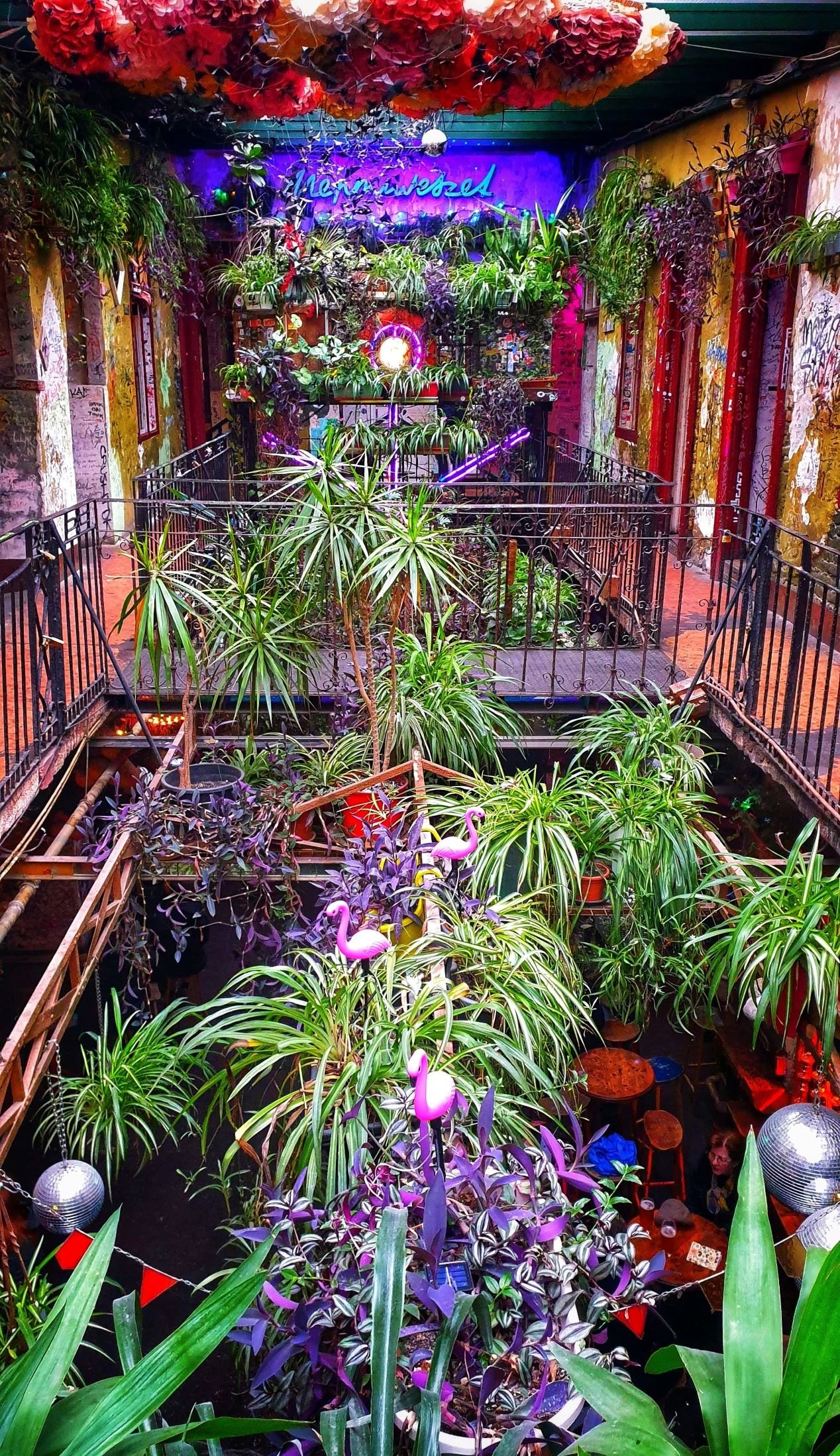
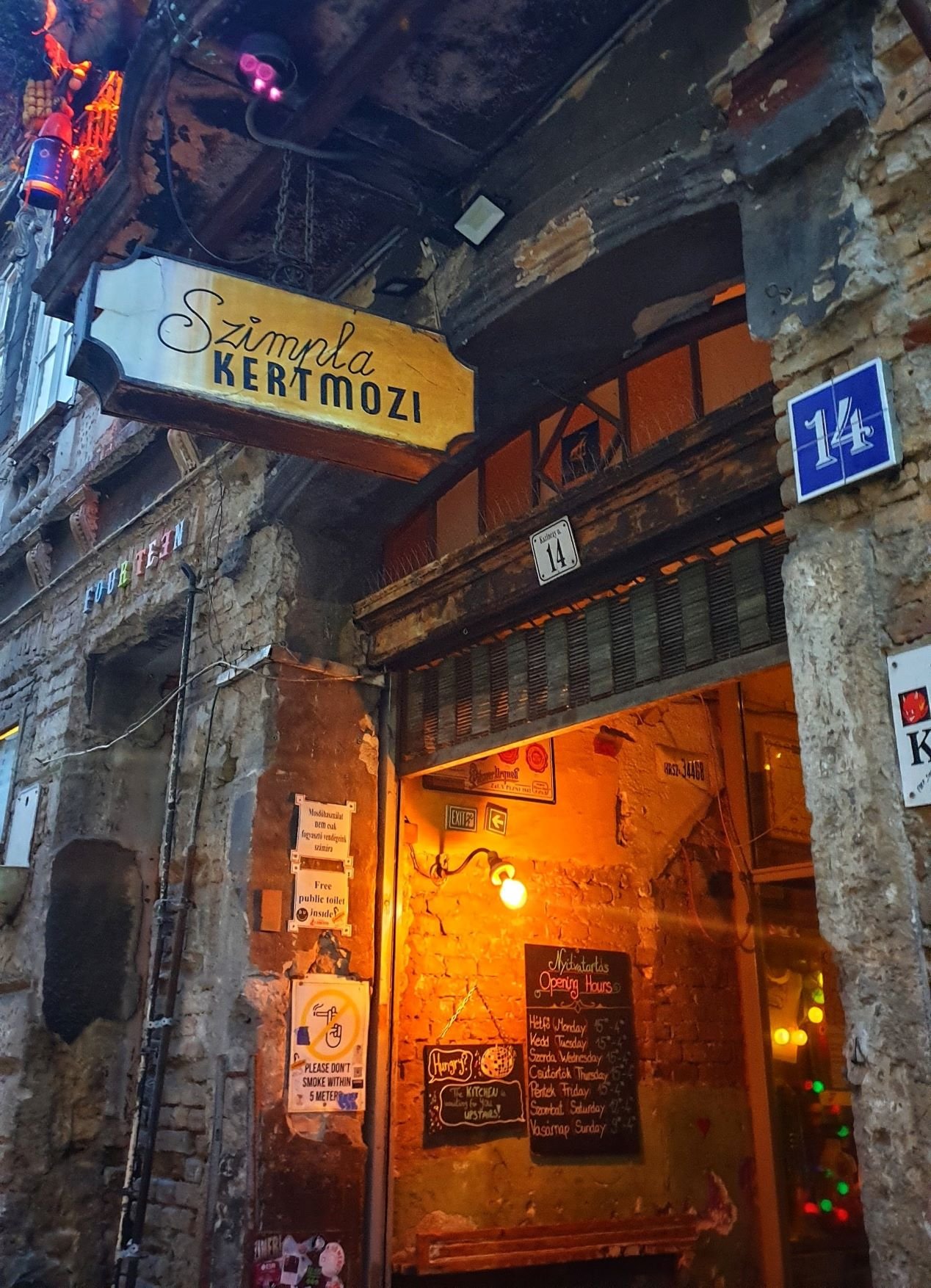
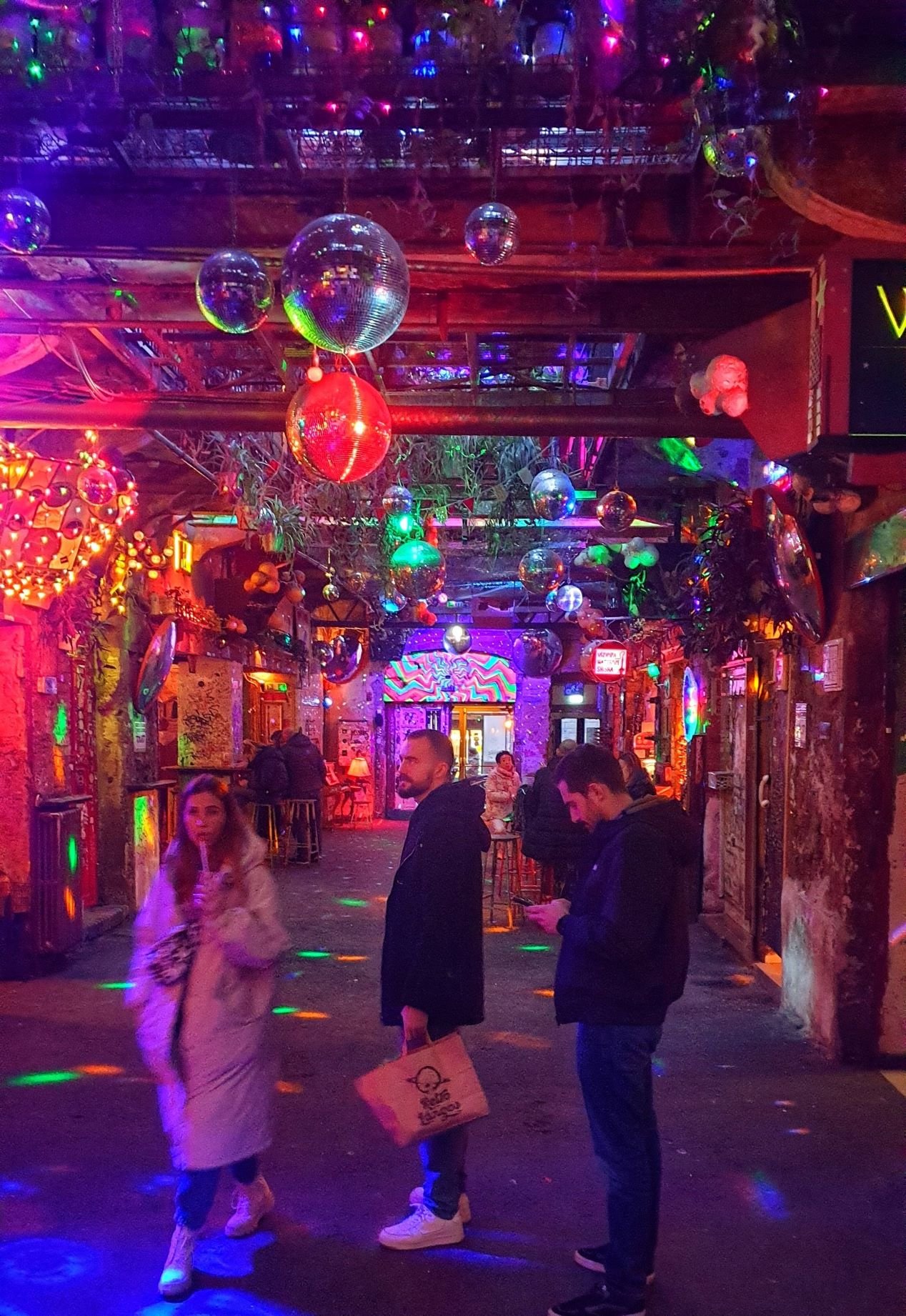
Ruin bars are abandoned buildings in the Jewish Quarter turned into bars: think shabby chic, neon and graffiti. Five steps from Karavan is the original and my favourite, Szimpla Kert, a former warehouse and factory. Expect an eclectic crowd most nights, live music, DJs and even film screenings. Start with craft beer, end with cocktails, and get there early because it gets packed. Open Monday to Friday 3pm–4am, Saturday 11am–4am and Sunday 9am–4am.


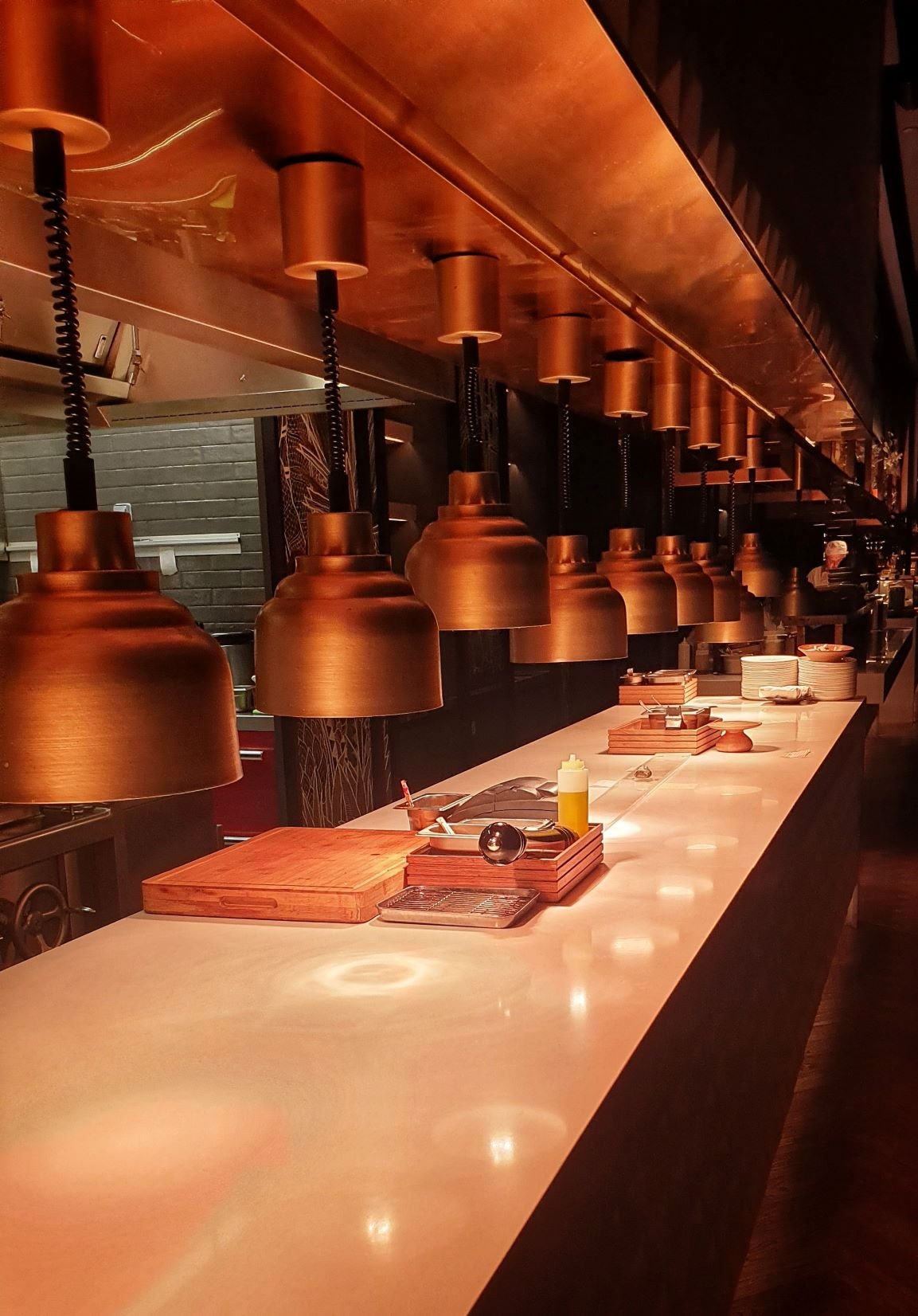
Dinner at Spago by Wolfgang Puck
Inside the Matild Palace hotel, a stone’s throw from Elisabeth Bridge, Spago is known for exceptional service and top-notch food and wine. Be ready to splurge.



Opening hours are as they were when I visited, so check before you go.
Making a habit of city breaks? My 3 days in Istanbul and best things to do in Athens guides follow the same idea, and my guide to packing light shows how I do a long weekend with hand luggage only.
FAQ
Should I tip in Budapest?
Yes, around 10% at sit-down restaurants is standard. Some restaurants add a service charge automatically, so check the bill first.
Is Budapest safe?
As safe as any major European city. The main problems are pickpocketing and tourist scams; violent crime is rare, and the centre is fine to explore at night, including for solo female travellers. Just use the usual common sense.
Is 2 days in Budapest enough?
It’s enough to see the highlights and get a real feel for the city. Whether you’re into food, history or nightlife, few cities give you this much for this little money, and whether you stay two days or a week, you’ll keep finding something new.


